The Village Blacksmith Used to Pull Your Teeth — How America's Mouth Pain Became a Medical Specialty
When Tooth Pain Meant Torture
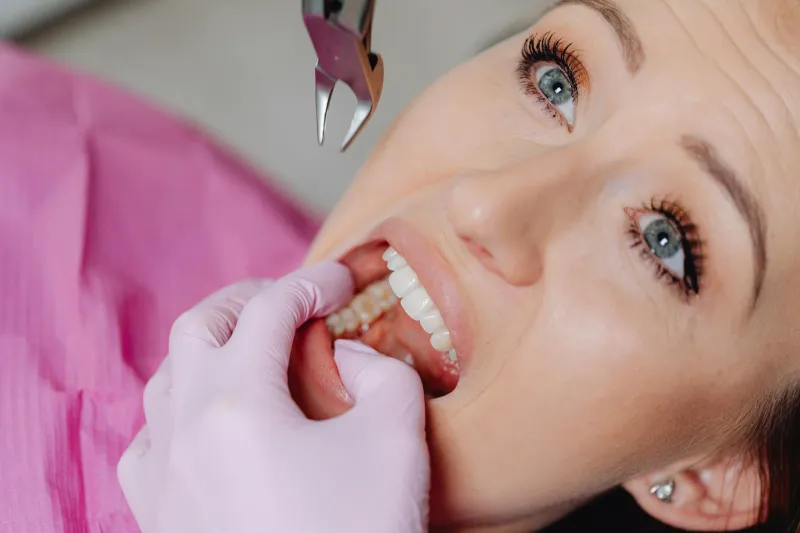
In 1900, if you had a raging toothache in small-town America, you had two choices: suffer in silence or visit the village blacksmith. Armed with nothing more than a pair of pliers, a strong grip, and maybe a shot of whiskey, these makeshift tooth-pullers would yank out your problem tooth while you screamed and a crowd gathered to watch the spectacle.
No anesthesia. No sterile instruments. No medical training. Just brute force and the hope that you wouldn't bleed to death or die from the inevitable infection that followed.
Barbers were the other option, since they already owned sharp tools and dealt with blood. Many barbershops displayed extracted teeth in their windows as advertisements — a grisly marketing technique that would horrify us today but served as proof of their extraction skills.
The mortality rate from tooth extraction was shockingly high. A simple dental procedure could easily become a death sentence, which is why most Americans simply endured excruciating dental pain until their teeth rotted out of their heads.
The Birth of Real Dentistry
Everything changed when a few pioneering doctors decided that mouth care deserved serious medical attention. In 1840, the first dental school opened in Baltimore, Maryland, marking the beginning of dentistry as a legitimate profession.
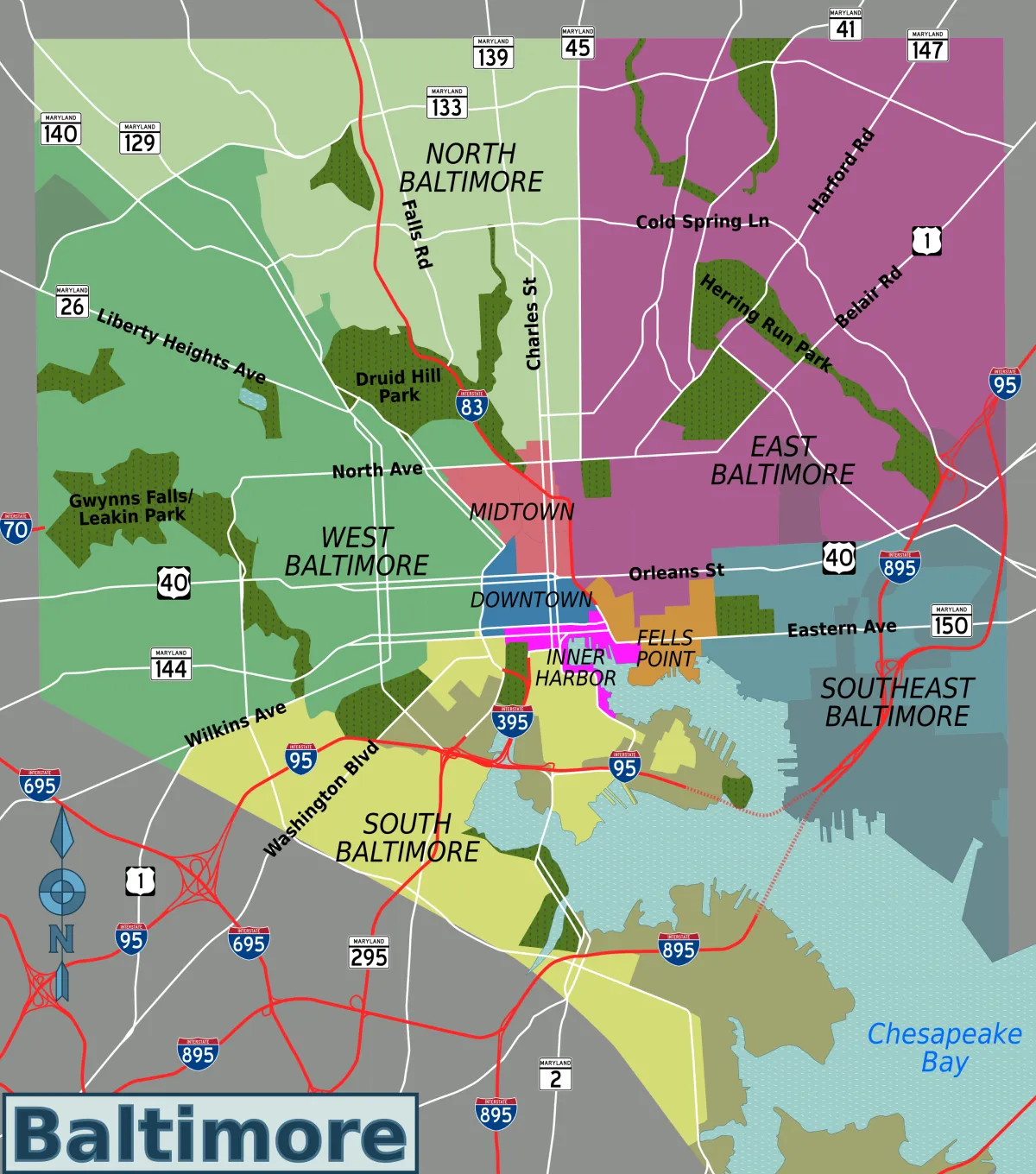 Photo: Baltimore, Maryland, via upload.wikimedia.org
The real breakthrough came with the discovery of anesthesia. Nitrous oxide, first used in dental procedures in the 1840s, transformed tooth extraction from medieval torture into bearable medical treatment. Suddenly, people could get their teeth fixed without enduring agony that made grown men faint.
By 1900, American cities had dentists with actual training, sterile instruments, and pain management. The profession grew rapidly as word spread that dental work no longer had to be a life-threatening ordeal.
From Survival to Perfection
The early 20th century brought revolutionary changes that would have seemed like magic to previous generations. X-rays allowed dentists to see problems before they became emergencies. Novocaine injections made procedures completely painless. High-speed drills replaced hand-cranked torture devices.
By the 1950s, American dentistry had evolved into something unrecognizable from its barbaric origins. Dentists could now save teeth instead of just pulling them. Root canals, crowns, and bridges became routine procedures. Fluoride treatments and regular cleanings meant many people could keep their natural teeth for life — something virtually impossible just decades earlier.
The transformation accelerated through the latter half of the century. Cosmetic dentistry emerged, turning dental visits from emergency damage control into elective improvements. Teeth whitening, veneers, and orthodontics meant Americans could have not just functional teeth, but perfect smiles.
The Modern Dental Revolution
Today's dental technology would astound those 1900s blacksmiths. Laser treatments eliminate decay without drilling. Digital imaging creates perfect crowns in a single visit. Dental implants replace missing teeth so seamlessly that even dentists can't tell the difference.
American dentistry has become so sophisticated that routine procedures now happen in spa-like environments with flat-screen TVs, noise-canceling headphones, and sedation options that make patients feel like they're floating on clouds instead of getting their teeth worked on.
The Great Dental Divide
Yet despite all this incredible progress, America faces a troubling paradox. We've created the world's most advanced dental care system, but millions of Americans still can't access it. Unlike medical insurance, dental coverage remains largely separate and limited, creating a two-tier system where the wealthy get perfect smiles while others suffer in pain reminiscent of earlier eras.
Emergency rooms across America regularly treat dental infections that could have been prevented with basic care — the same life-threatening complications that killed people in the blacksmith era. The technology exists to prevent virtually all dental suffering, but economic barriers keep it out of reach for too many Americans.
What We've Gained and Lost
The transformation of American dentistry represents one of medicine's greatest success stories. We've eliminated most dental pain, saved millions of teeth, and created smiles that previous generations could never have imagined.
But something was lost in the transition from community-based care to professional specialization. The village blacksmith might have been brutal and dangerous, but he was also accessible and affordable. Today's dental perfection comes with a price tag that would have shocked our ancestors — and still shocks many Americans today.
The journey from pliers to precision represents human ingenuity at its finest, even as it reminds us that progress doesn't always reach everyone equally.