Americans Used to Wake Up at Midnight for Prayer and Conversation — Then Edison Killed the Two-Sleep Night
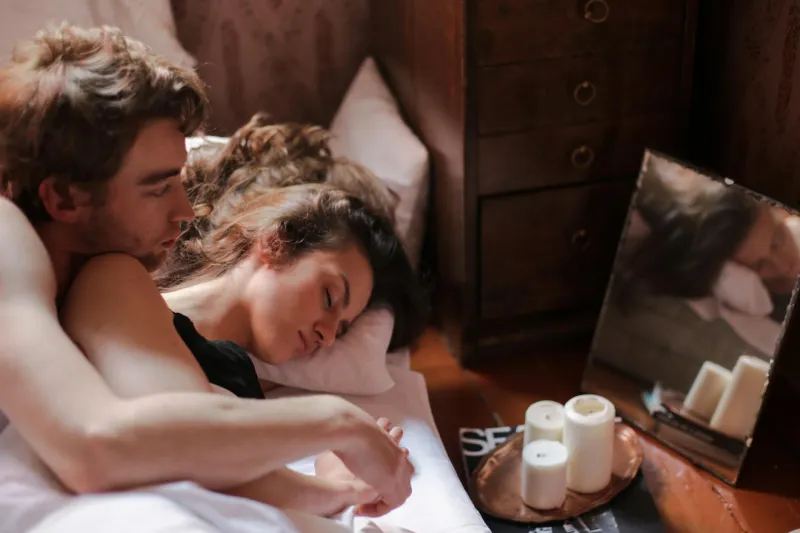
The Lost Hour Between Sleeps
Imagine waking up naturally around midnight, feeling completely rested, and spending the next hour in quiet contemplation before drifting back to sleep until dawn. For most of human history, this wasn't insomnia — it was normal.
American colonists, like their European ancestors, typically experienced what historians call "segmented sleep." They'd go to bed shortly after sunset, sleep for roughly four hours, then wake up for what they called "the watching" — a peaceful interlude of prayer, meditation, intimate conversation, or quiet household tasks.
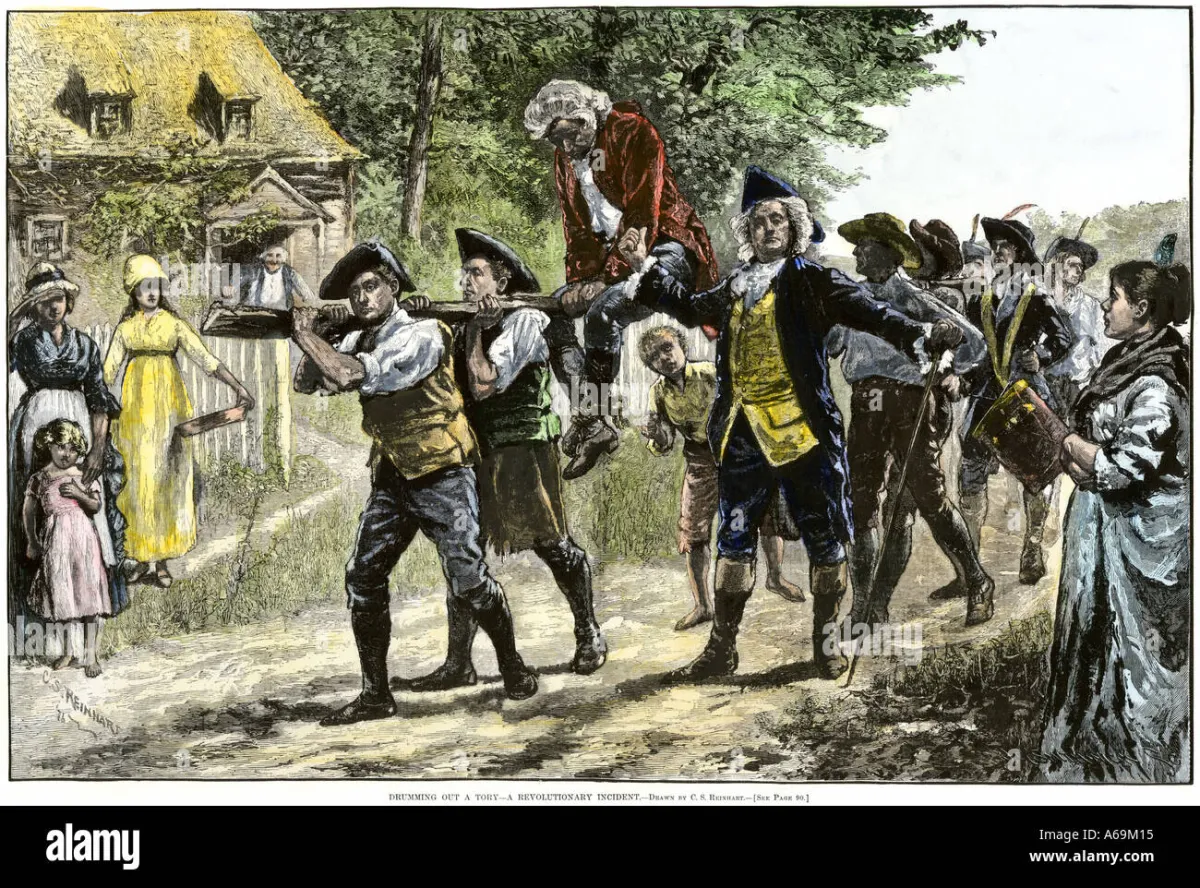 Photo: American colonists, via c8.alamy.com
During this midnight hour, people would visit neighbors, tend to fires, check on animals, or simply lie in bed thinking. Couples used this time for intimate conversations and physical closeness. Many considered it the most spiritual and reflective part of their day.
After an hour or two of gentle wakefulness, they'd return to what they called "second sleep" or "morning sleep," waking naturally around sunrise. This pattern was so universal that nobody questioned it — until electric lighting made it disappear.
When Darkness Ruled American Lives
Before widespread electric lighting reached American homes in the early 1900s, the rhythm of sleep followed natural light cycles that humans had experienced for thousands of years. When the sun set, activities wound down. When it rose, the day began.
Candles and oil lamps provided some illumination, but they were expensive and potentially dangerous. Most families used them sparingly, saving them for essential evening tasks. Once those were completed, there wasn't much to do except go to sleep.
This early bedtime — often around 9 or 10 PM — naturally led to the segmented sleep pattern. People would sleep deeply for several hours, then experience a period of quiet wakefulness before sleeping again until dawn. Historical documents from colonial America are filled with references to "first sleep," "dead sleep," and "second sleep."
The Midnight Community
What's remarkable about this lost sleep pattern is how it shaped American social life. The midnight waking period became an important time for community connection and personal reflection.
Neighbors would sometimes visit each other during these quiet hours, especially during long winter nights. These visits were calm, intimate affairs — very different from the bustling social interactions of daytime. People spoke softly, moved quietly, and shared thoughts they might not express during busy daylight hours.
Many Americans used this time for prayer and spiritual reflection. Religious writings from the 1600s and 1700s frequently reference midnight prayers and the special spiritual significance of nighttime wakefulness. Some Protestant denominations specifically encouraged prayer during "the watching."
Couples found this time particularly precious for intimate conversation. Away from the demands of children, work, and household management, they could talk quietly about hopes, fears, and dreams. Many historians believe this contributed to stronger marital bonds in pre-industrial America.
Edison's Revolution Changes Everything
The arrival of electric lighting in American homes between 1900 and 1930 fundamentally altered human sleep patterns in ways that people didn't fully understand at the time. Suddenly, activities could continue well into the night. Reading, socializing, and household tasks no longer had to stop when the sun set.
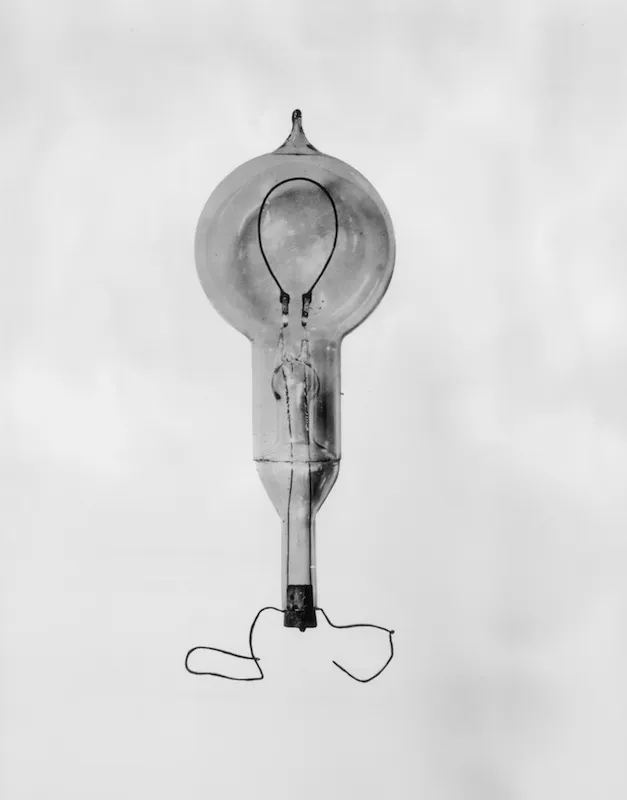 Photo: Edison, via api.time.com
As electric lights became more common and affordable, Americans began staying up later. The natural progression from sunset to sleep was interrupted by artificial illumination that kept minds alert and bodies active well past their natural bedtime.
This later bedtime compressed the available sleep time into a single, continuous block. Instead of sleeping for four hours, waking naturally, then sleeping again, people began trying to get all their rest in one uninterrupted stretch.
Within just a few decades, the segmented sleep pattern that had defined human rest for millennia virtually disappeared from American culture. By the 1950s, most Americans had no idea that their grandparents had experienced sleep completely differently.
The Modern Sleep Struggle
Today's sleep scientists are rediscovering what our ancestors knew instinctively. Many Americans who think they have insomnia may actually be experiencing natural midnight wakefulness — their bodies trying to follow the ancient two-sleep pattern in a world designed for single-block sleep.
The pressure to sleep for eight continuous hours creates anxiety for people who wake up naturally in the middle of the night. Instead of lying peacefully awake for an hour, they worry about "getting back to sleep" and often turn to sleeping pills or other interventions to force continuous rest.
Research suggests that some people naturally function better on segmented sleep, especially during winter months when daylight hours are shorter. But modern work schedules, electric lighting, and cultural expectations make it nearly impossible to follow this ancient rhythm.
What Sleep Research Reveals
Recent studies have attempted to recreate pre-electric sleep conditions to see what happens when people are exposed only to natural light cycles. The results are striking: many participants naturally develop segmented sleep patterns within weeks.
These studies suggest that the midnight waking period may serve important biological and psychological functions. Brain scans show unique patterns of neural activity during this quiet wakefulness that differ from both daytime consciousness and REM sleep.
Some researchers theorize that this peaceful midnight hour may be crucial for memory consolidation, emotional processing, and creative problem-solving. The gentle, reflective state of consciousness that occurs during natural nighttime wakefulness appears to offer benefits that compressed, continuous sleep may not provide.
The Cost of Continuous Sleep
While modern sleep patterns have obvious advantages — they align with industrial work schedules and maximize productive daytime hours — we may have lost something valuable in the transition.
The midnight hour of quiet wakefulness provided a natural time for reflection, spiritual practice, and intimate connection that many modern Americans struggle to find in their busy lives. The peaceful, meditative state that occurred during this time may have contributed to better mental health and stronger relationships.
Modern sleep medicine focuses heavily on achieving uninterrupted rest, but some experts wonder whether we should reconsider the value of gentle nighttime wakefulness, especially for people who naturally experience it.
Lessons from the Lost Sleep Pattern
The disappearance of segmented sleep illustrates how quickly fundamental human behaviors can change when technology alters our environment. In just a few decades, electric lighting erased a sleep pattern that had existed for thousands of years.
This transformation wasn't necessarily negative — modern lighting has brought enormous benefits to human life. But it reminds us that our current sleep struggles may partly stem from trying to force our ancient biology into patterns designed for electric-lit modernity.
Understanding how dramatically sleep has changed might help us approach rest with more flexibility and less anxiety, recognizing that there may be more than one healthy way to sleep through the night.