When Waiting Two Weeks for a Letter Was Normal — and Nobody Called It Slow
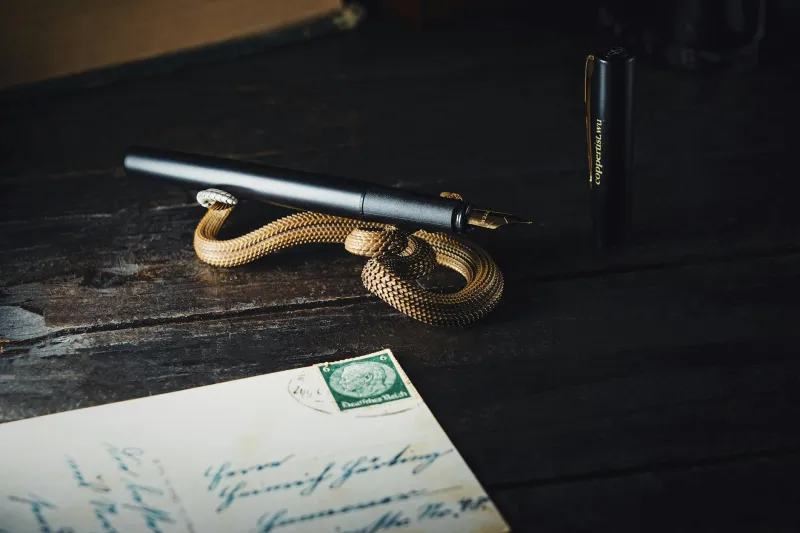
Your great-great-grandmother sat at her kitchen table in 1847, carefully choosing each word as she wrote to her sister three states away. She knew this letter would take two weeks to arrive — if the weather held and the mail coach didn't break an axle. She didn't tap her fingers impatiently or wonder why her sister hadn't responded to last month's letter yet. This was simply how human connection worked.
Today, you send a text and check your phone seventeen times in the next hour, each glance accompanied by a small spike of anxiety. Why haven't they responded? Did I say something wrong? Are they ignoring me?
Somewhere between the Pony Express and push notifications, America didn't just speed up communication — we completely rewired our expectations of human attention and availability.
The Art of Deliberate Words
In 1850, the average American letter was a literary event. People wrote drafts. They considered their phrasing. A single letter might contain news that had accumulated over weeks: births, deaths, weather patterns, local gossip, philosophical reflections, and detailed descriptions of daily life.
Letters were precious because they were rare. Families saved them in wooden boxes, reading them multiple times. A letter from a loved one was an event that warranted gathering the family around the kitchen table for a group reading.
Compare that to today's communication: the average American sends 67 text messages per day. Most contain fewer than 20 words. We fire off thoughts the moment they occur to us: "running late," "lol," "where are you?" The casual nature of modern messaging has turned communication into a constant stream of micro-interactions rather than meaningful exchanges.
The Psychology of Waiting
Our ancestors built their emotional lives around delayed gratification. When you mailed a letter in 1880, you settled in for weeks of not knowing. This wasn't frustrating — it was simply reality. People developed patience as a survival skill.
Modern neuroscience reveals what we've lost. Our brains now release small hits of dopamine every time we check our phones, creating an addiction cycle that didn't exist when communication moved at the speed of horses. The average person checks their phone 96 times per day, often unconsciously reaching for it during any moment of quiet.
We've trained ourselves to expect instant responses and interpret delays as rejection or rudeness. A text that goes unread for two hours feels like being ignored. An email that takes a day to receive a response seems unprofessional. We've compressed our tolerance for communication delays from weeks to minutes.
The Hidden Cost of Instant Everything
The shift from letters to texts has changed more than speed — it's altered the depth of human connection. Letters required commitment. You couldn't fire off a thoughtless message and immediately regret it. The physical act of writing, the cost of postage, and the permanence of ink forced people to be more intentional with their words.
Modern communication is cheap and instant, but often shallow. We know what our friends had for lunch, but we might not know their deeper fears or dreams. The constant stream of quick messages creates an illusion of closeness while potentially preventing the kind of deep, reflective communication that builds lasting relationships.
Research shows that despite being more "connected" than ever, Americans report higher levels of loneliness than previous generations. We're communicating more frequently but less meaningfully.
When Distance Actually Meant Something
Before instant communication, physical distance carried emotional weight. Moving across the country meant accepting that relationships would change. Families understood that maintaining connections required real effort and intention.
This limitation forced people to invest more deeply in their immediate communities. You couldn't easily maintain friendships with dozens of people scattered across the country, so you focused on building stronger relationships with neighbors and local friends.
Today, we attempt to maintain meaningful relationships with people across multiple time zones, social media platforms, and communication apps. While this expanded social network has benefits, it also spreads our emotional attention thin across more relationships than any human was evolutionarily designed to handle.
The Anxiety of Always Being Available
Our great-grandparents had built-in breaks from communication. When they finished reading the mail, they were done until the next delivery. There was no expectation of immediate availability or instant responses.
Modern Americans carry the weight of constant availability. We feel obligated to respond to texts quickly, answer emails promptly, and maintain active presences on multiple platforms. The boundary between work communication and personal communication has dissolved, creating a state of perpetual partial attention that previous generations never experienced.
What We've Gained and Lost
Instant communication has undeniably improved many aspects of life. Families separated by distance can maintain closer relationships. Emergency services can respond faster. Business moves at unprecedented speed. Information spreads rapidly, enabling faster responses to crises and social movements.
But we've also lost something valuable: the ability to be comfortable with not knowing. The patience to craft thoughtful responses. The peace that comes from being temporarily unreachable. The deep satisfaction of receiving a message that someone took real time and care to create.
Finding Balance in a Fast World
Perhaps the solution isn't returning to two-week mail delivery, but consciously choosing when to slow down our communication. Some people are rediscovering the joy of handwritten letters, not as a primary form of communication, but as a way to create more meaningful connections.
Others are setting boundaries around instant availability — turning off read receipts, designating phone-free hours, or simply accepting that not every message requires an immediate response.
The challenge for modern Americans is learning to use our communication tools intentionally rather than compulsively. Our ancestors didn't choose slow communication — it was simply the only option. We have the luxury of choice, which means we also have the responsibility to choose wisely.
In a world where we can reach anyone instantly, perhaps the most radical act is sometimes choosing to wait.