When News Traveled at the Speed of Sails: How America Learned About the World Before Instant Everything
In April 1865, John Wilkes Booth shot Abraham Lincoln at Ford's Theatre. Within hours, telegraph wires carried the news across the continental United States. But in London? They wouldn't know their American ally was dead for another two weeks, when a steamship finally crossed the Atlantic with newspapers tucked in its cargo hold.
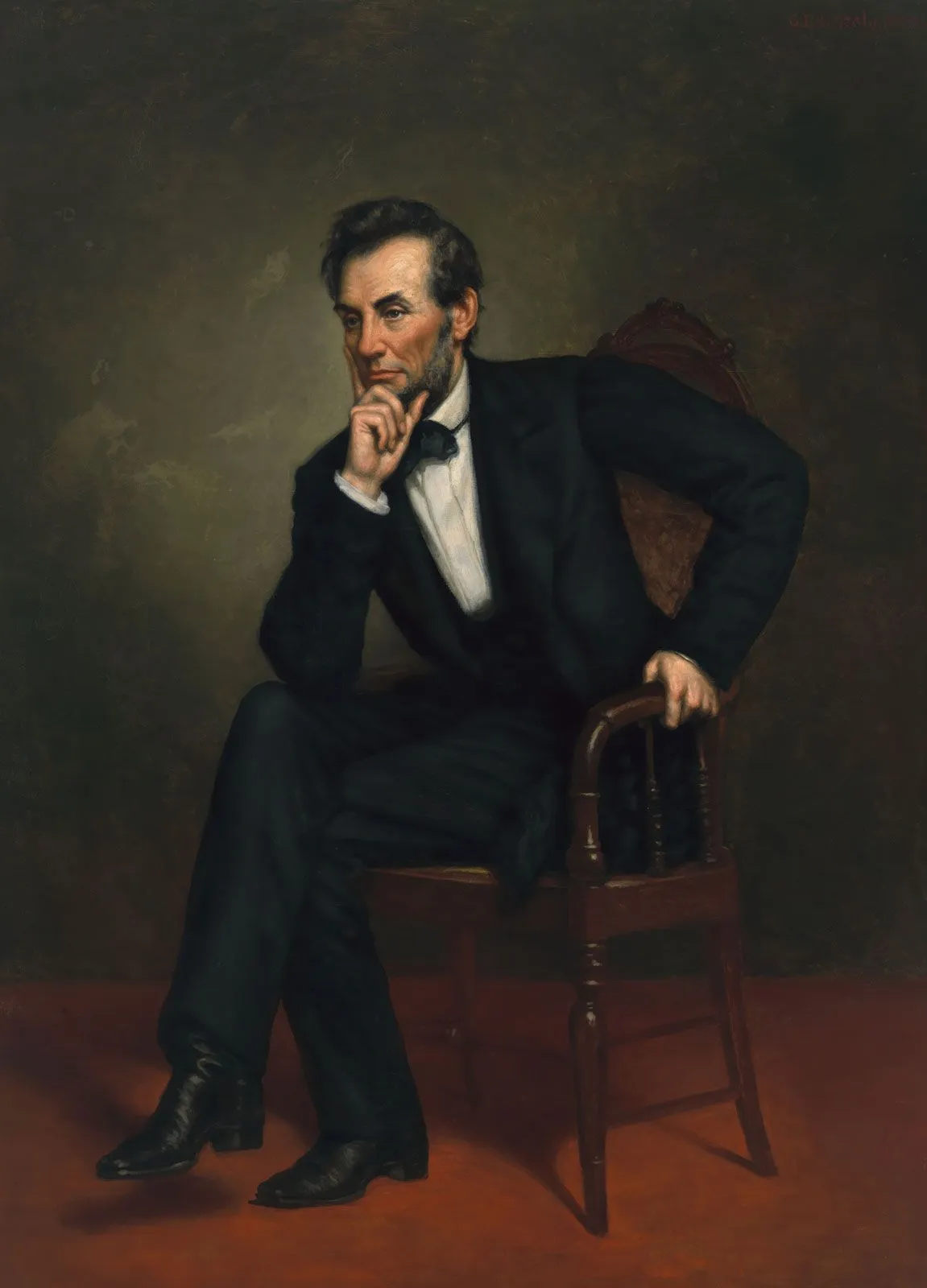 Photo: Abraham Lincoln, via cdn.britannica.com
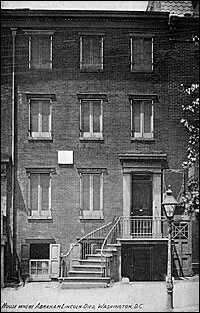 Photo: Ford's Theatre, via media.npr.org
That's how news worked for most of American history. Information moved at the speed of horses, ships, and human feet. Today, when a tweet can circle the globe in milliseconds, it's almost impossible to imagine a world where momentous events unfolded in slow motion, where decisions were made in information vacuums that lasted weeks or months.
The Patience Economy
Before the transatlantic telegraph cable was successfully laid in 1866, American merchants, politicians, and ordinary families operated on what we might call "patience time." When the War of 1812 ended with the Treaty of Ghent in December 1814, it took six weeks for word to reach America. During those six weeks, American and British forces fought the bloody Battle of New Orleans — a pointless battle that killed over 2,000 men who had no idea peace had already been declared.
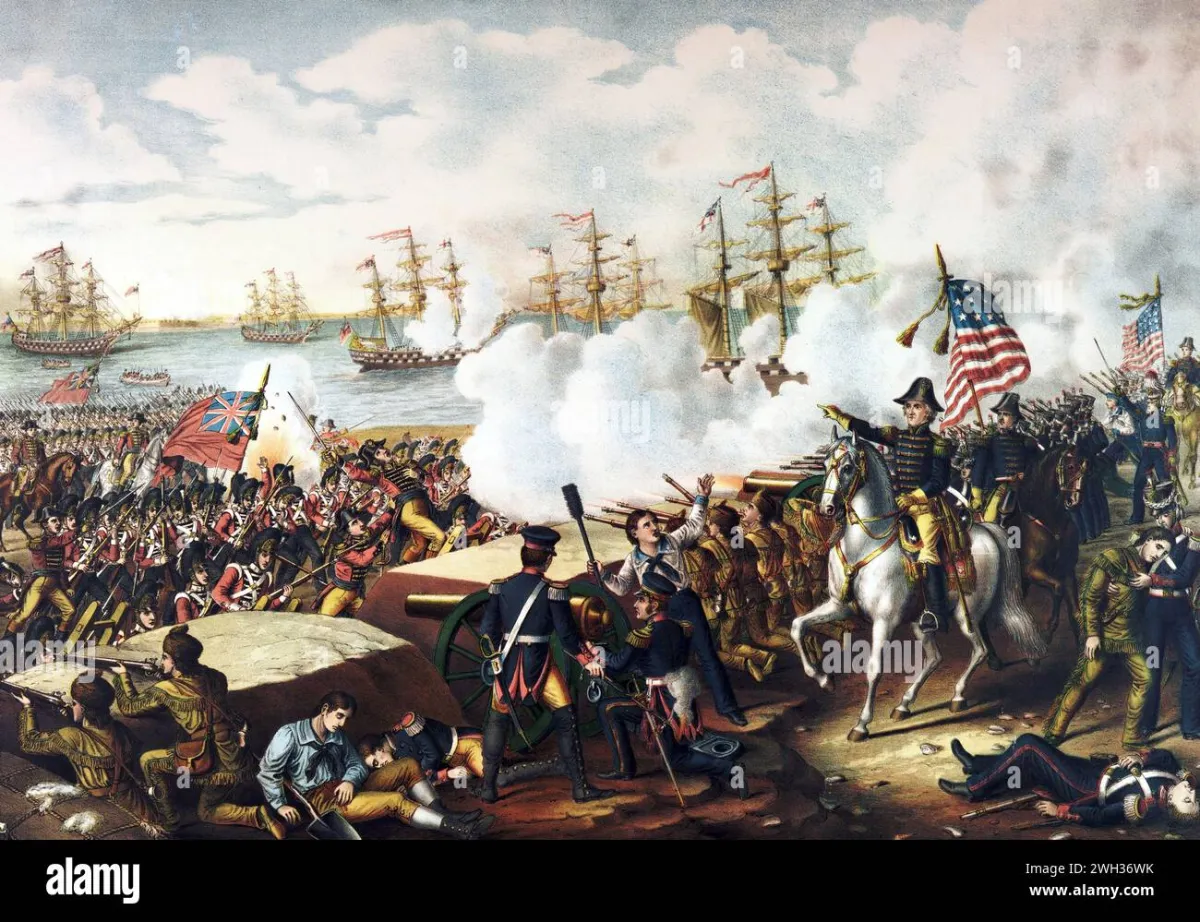 Photo: Battle of New Orleans, via c8.alamy.com
Wall Street ran on similar delays. Stock prices in New York might swing wildly based on three-month-old rumors about European markets. Cotton traders in New Orleans made decisions about crops based on London commodity prices that were already ancient history. Entire fortunes were built on information that was fresher than what competitors had access to.
Families lived with uncertainty that would drive modern Americans to distraction. During the Civil War, a mother in Ohio might wait three months to learn whether her son had survived a battle in Virginia. Letters took weeks to cross the country, and often never arrived at all. The phrase "no news is good news" wasn't optimism — it was survival strategy.
The Day America Plugged Into the World
Everything changed on August 16, 1858, when Queen Victoria sent the first official transatlantic telegraph message to President James Buchanan. The 98-word message took 16 hours to transmit — an eternity by today's standards, but pure magic compared to the weeks it previously required.
That first cable failed after just a few weeks, but when a permanent connection was established in 1866, it didn't just speed up communication — it fundamentally altered the nature of time itself for Americans.
Sudden news became possible. Market crashes in London could now trigger panic in New York the same day. Military commanders could coordinate with Washington in near real-time. Families could learn of deaths, births, and disasters while the events were still fresh.
How Speed Changed Everything
The compression of communication time rewrote American psychology in ways we're still living with today. Before instant news, Americans were forced to be patient. They made peace with uncertainty because they had no choice. Community mattered more because neighbors were your primary source of information and support during long periods of not knowing.
After the telegraph, patience became optional — and then extinct. By the 1870s, Americans expected daily updates on distant events. Newspapers published multiple editions per day as telegraph reports poured in. The idea of waiting weeks for important news became intolerable.
This speed transformation happened in waves. The telegraph collapsed weeks into hours. The telephone made conversations instant across continents. Radio brought voices into living rooms. Television added pictures. The internet made everyone a broadcaster.
Each acceleration made the previous speed seem impossibly slow. Our grandparents thought long-distance phone calls were miraculous. We get frustrated when a webpage takes three seconds to load.
The Cost of Knowing Everything Now
Today, Americans know about earthquakes in Japan before the shaking stops, about political developments in Washington before the participants have left the room, about market movements before traders can react. We've gained incredible connectivity, but we've lost something too: the ability to sit with uncertainty, to make decisions without perfect information, to live comfortably in the space between question and answer.
The 19th-century American who waited months to learn whether a business venture in California had succeeded developed different mental muscles than we have. They learned to plan for multiple scenarios, to be comfortable with ambiguity, to find peace in the space between asking and knowing.
We've traded that patience for power — the power to know everything, instantly, all the time. Whether that's made us wiser or just more anxious is still an open question.
Living in Millisecond Time
The journey from sail-speed news to fiber-optic information happened over 150 years, but the psychological adjustment is still ongoing. We're the first humans in history who expect to know everything the moment it happens, anywhere in the world.
Our ancestors lived in "letter time" — measured in weeks and months. We live in "notification time" — measured in seconds and milliseconds. The difference isn't just technological; it's existential. When news traveled slowly, life moved slowly. When information became instant, everything else had to speed up to match.
The next time your phone buzzes with breaking news from halfway around the world, remember: your great-great-grandmother might have lived her entire life without knowing what happened beyond her county line. We've compressed the world into our pockets, but we're still figuring out what to do with all that immediate knowledge.