When 'I Do' Meant Sunday Dinner and Dancing — Before Weddings Became Performance Art
The Wedding That Cost Less Than a Week's Groceries
On a Saturday afternoon in 1947, Mary O'Sullivan walked down the aisle of St. Patrick's Church wearing her mother's altered wedding dress and carrying flowers picked from her neighbor's garden. The ceremony lasted 20 minutes. The reception — held in the church basement — featured sandwiches made by the ladies' auxiliary, a three-layer cake baked by her aunt, and dancing to a local band that played for dinner and drinks.
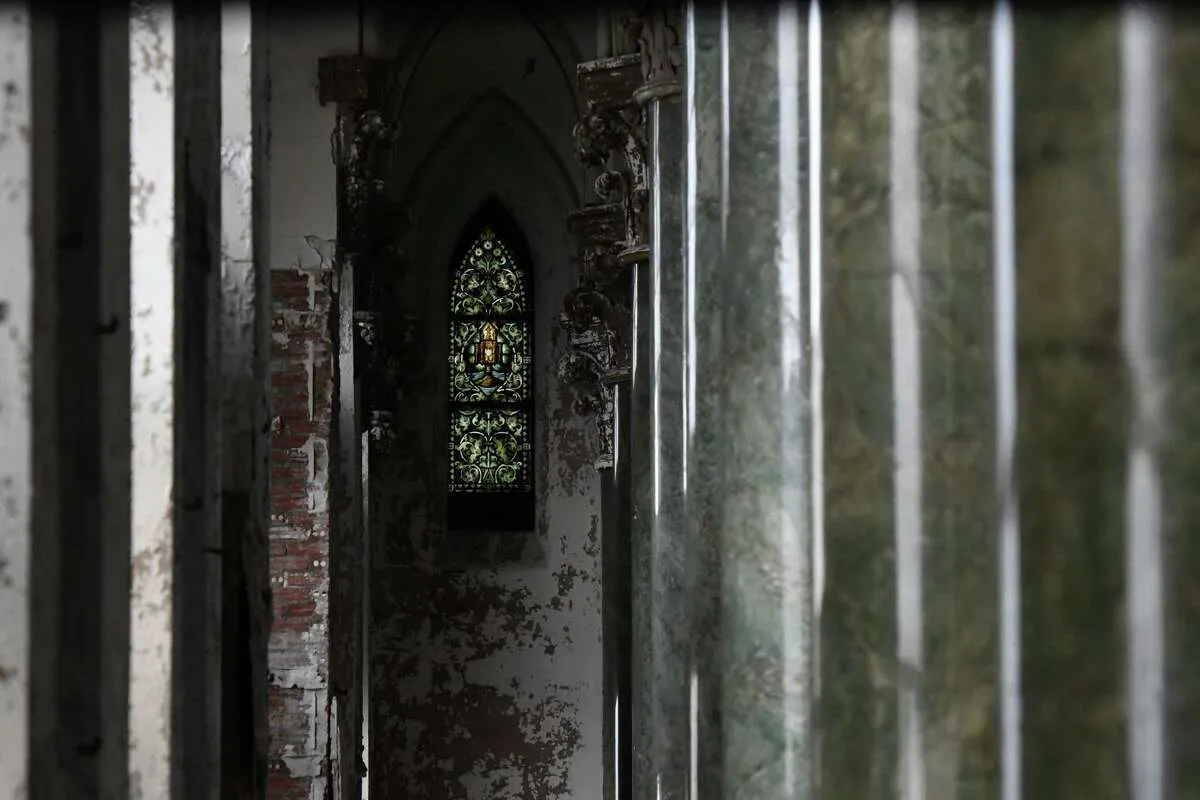 Photo: St. Patrick's Church, via s.hdnux.com
Total cost: $127, including the rings.
Mary and James danced their first dance to "I'll Be Seeing You," surrounded by 80 friends and family members who had known them since childhood. By 10 PM, the newlyweds were home in their small apartment, counting wedding gifts of practical items like dish towels, casserole dishes, and a few dollars tucked into handmade cards.
They considered it the perfect wedding — and nobody disagreed.
When Weddings Were Community Celebrations, Not Productions
For most of American history, weddings were fundamentally different events. They celebrated the union of two people within their existing community, not the creation of a fantasy experience for distant guests and social media audiences.
The typical 1940s wedding involved minimal advance planning. Couples announced their engagement a few weeks beforehand, reserved the church, and asked female relatives to handle food preparation. The bride might buy a new dress or wear one borrowed from a friend. Flowers came from local gardens or the church's own arrangements.
Decorations were simple: perhaps some ribbon on the pews and candles on the altar. Photography consisted of a few formal portraits taken by a family friend with a decent camera. The biggest expense was usually the reception dinner, which often featured dishes prepared by multiple family members rather than a single caterer.
Most importantly, these weddings felt like authentic expressions of the couple's place in their community rather than performances designed to impress.
The Post-War Prosperity That Changed Everything
The transformation began in the 1950s, driven by unprecedented economic prosperity and changing social expectations. As Americans became wealthier, weddings grew more elaborate. What started as modest upgrades — a professional photographer, a store-bought dress, a restaurant reception — gradually escalated into something entirely different.
The wedding industry, which barely existed before 1950, began marketing the idea that every bride deserved a "perfect day." Bridal magazines appeared, promoting increasingly elaborate standards. Wedding planners emerged as professionals. Venues began specializing in wedding receptions rather than simply renting space.
By the 1970s, the "traditional" American wedding bore little resemblance to actual traditions. It had become a carefully choreographed event requiring months of planning and thousands of dollars in specialized purchases.
The Birth of Wedding Anxiety
Modern American weddings operate under a completely different philosophy than their predecessors. Instead of community celebrations, they've become elaborate productions where couples feel pressure to create unique, Instagram-worthy experiences that reflect their personalities and taste.
Today's engaged couples typically spend 12-18 months planning their wedding. They research venues, interview vendors, coordinate color schemes, and manage guest lists that often include people they haven't spoken to in years. They create wedding websites, hire multiple photographers, and spend weeks crafting "signature cocktails" that represent their relationship.
The average American wedding now costs $35,000 — more than many couples earn in a year and enough to make a substantial down payment on a house. Yet 47% of couples report going into debt to pay for their wedding, and 28% say the planning process caused significant relationship stress.
When Simple Became Shameful
Somewhere along the way, Americans developed the belief that wedding simplicity reflected poorly on the couple's commitment or their families' love. A backyard reception became "cheap" rather than intimate. A short ceremony became "rushed" rather than focused. A small guest list became "exclusive" rather than personal.
This shift reflects broader changes in American culture. We've moved from a society that valued authenticity to one that prizes presentation, from communities that celebrated togetherness to networks that perform success.
The pressure particularly affects women, who are expected to have dreamed about their "perfect wedding" since childhood and to execute that vision flawlessly. Bridal magazines sell the fantasy that every detail matters enormously and that cutting corners will result in lifelong regret.
The Vendor Industrial Complex
The modern wedding industry employs sophisticated psychological techniques to encourage spending. Vendors use scarcity marketing ("only three dates left this year"), emotional manipulation ("you only get one wedding day"), and social pressure ("what will your guests think?") to justify increasingly expensive purchases.
Consider the evolution of wedding photography. In 1950, couples might hire a local photographer for $25 to take formal portraits and a few candid shots. Today's wedding photography packages average $2,500 and include engagement sessions, bridal portraits, ceremony coverage, reception documentation, and professionally edited digital galleries.
Similarly, wedding flowers once meant a bridal bouquet and perhaps some altar arrangements using seasonal, local blooms. Today's floral budgets average $2,000 for elaborate centerpieces, ceremony arches, boutonnieres, corsages, and Instagram-worthy installations that will be dismantled hours after the reception.
The Performance of Happiness
Modern weddings have become elaborate performances of happiness rather than genuine celebrations of it. Couples feel pressure to appear joyful and grateful throughout long, expensive days that often feel more stressful than celebratory.
The average wedding day now lasts 8-10 hours and includes multiple outfit changes, choreographed activities, and constant documentation. Couples report feeling like they barely saw each other during their own wedding because they were so busy managing logistics and posing for photos.
This contrasts sharply with earlier eras when weddings were shorter, simpler affairs focused on the ceremony itself and immediate celebration with loved ones. The emphasis was on beginning married life together, not creating a perfect event.
The Economics of Forever
The financial impact of modern wedding culture extends far beyond the single day. Couples often delay marriage until they can afford the wedding they think they should have. They take on debt that affects their early married years. They spend money on a single event that could otherwise fund honeymoons, house down payments, or emergency savings.
Meanwhile, divorce rates remain essentially unchanged since the 1970s, suggesting that expensive weddings don't correlate with marriage success. Some studies even suggest the opposite — that couples who spend more on their wedding are slightly more likely to divorce, possibly because financial stress and unrealistic expectations about marriage create early relationship problems.
What We Lost When Weddings Became Weddings
The transformation of American weddings reflects broader cultural shifts toward individualism, consumerism, and performance. We've gained the ability to create elaborate, personalized celebrations but lost the simplicity and community focus that made weddings meaningful to previous generations.
Mary O'Sullivan's $127 wedding wasn't inferior to today's $35,000 productions — it was different. It prioritized community over aesthetics, authenticity over perfection, and the beginning of marriage over the performance of engagement.
Her wedding photos show genuine smiles, not posed perfection. Her reception featured heartfelt toasts from people who knew the couple well, not carefully crafted speeches from distant acquaintances. Her wedding dress was worn once by her mother and once by her — a connection to family history rather than a statement of personal style.
Most importantly, Mary and James began their married life without debt, stress, or the lingering feeling that they needed to live up to the perfection of their wedding day. They had celebrated their commitment simply and moved on to the more important work of building a life together.
Three generations later, American couples are still trying to figure out how to have meaningful weddings in a culture that has turned them into elaborate productions — and wondering if simpler might actually be better.