When Crime Was Theater: How America Moved Its Justice From Main Street to Behind Bars
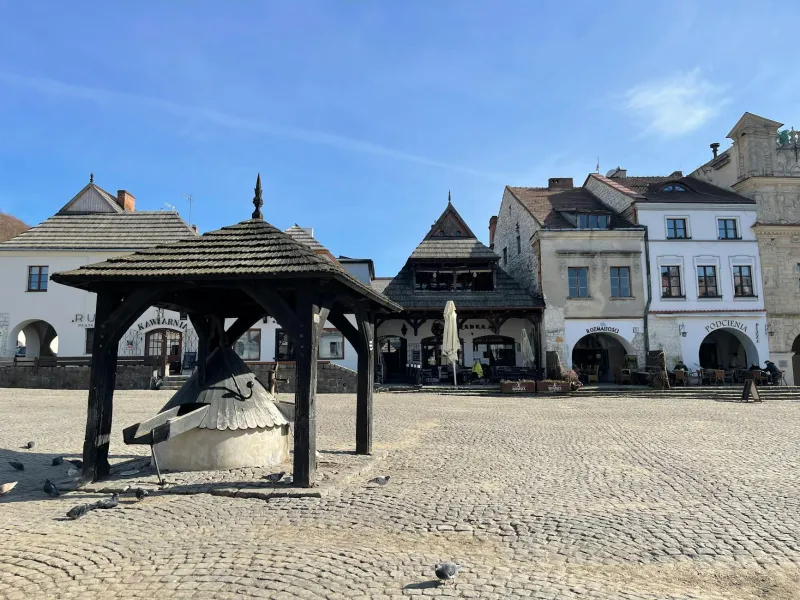
The Town Square Was America's Courtroom
In colonial America and well into the 1800s, justice wasn't something that happened behind closed doors. It was the main event.
Every town had stocks — wooden contraptions that locked a criminal's head and hands in place while neighbors threw rotten vegetables and hurled insults. The pillory worked similarly, but kept offenders standing upright for maximum visibility. Public whippings drew crowds like a carnival, and executions were community holidays where families packed picnic lunches.
This wasn't cruelty for cruelty's sake. Public punishment served a clear purpose: shame the wrongdoer, deter future crime, and reinforce community values. Everyone knew exactly what happened to people who stole bread or committed adultery because they watched it happen.
The town square was America's original criminal justice system, and it worked through visibility and humiliation rather than isolation.
When Punishment Moved Indoors
The shift began in the early 1800s with a radical idea: maybe criminals could be reformed rather than just punished. Pennsylvania built the world's first modern penitentiary in 1829, designed around solitary confinement and reflection. The theory was that isolation would force criminals to confront their sins and emerge as better people.
By the Civil War era, public executions were becoming controversial. Critics argued they turned justice into entertainment and brutalized spectators. States began moving hangings inside prison walls, limiting witnesses to officials and reporters.
The last public execution in America happened in Kentucky in 1936, when 20,000 people showed up to watch Rainey Bethea hang. The carnival atmosphere — complete with vendors selling hot dogs — horrified reformers and sealed the fate of public punishment.
Within a generation, American justice had moved entirely behind walls.
The Numbers Tell the Story
In 1850, America imprisoned about 30,000 people in a nation of 23 million. Today, we incarcerate over 2 million in a population of 330 million — a rate that's increased tenfold.
Yet most Americans have never seen the inside of a prison. We've built a justice system that processes more people than ever before, but does it completely out of sight. The average American is more likely to visit Disney World than a state penitentiary.
Meanwhile, our ancestors couldn't avoid seeing justice in action. In a typical colonial town of 500 people, everyone would witness a public punishment at least once a month. Justice was immediate, visible, and impossible to ignore.
What We Gained and Lost
Moving punishment behind walls eliminated the worst excesses of public spectacle. No more children watching executions as family entertainment. No more mobs turning justice into vengeance. We developed due process, appeals, and professional law enforcement.
But we also lost something important: accountability. When justice happened in public, everyone could see if punishments fit crimes. Communities had to confront the human cost of their moral standards. A merchant who demanded harsh punishment for thieves had to watch those thieves suffer.
Today's system lets us maintain tough-on-crime politics while never confronting what that actually looks like. We can demand long sentences without seeing the people serving them. We can support mass incarceration while remaining blissfully unaware of its daily reality.
The Question We Don't Ask
Did we become more civilized by hiding punishment, or did we just make it easier to ignore?
Our ancestors were certainly more brutal in their methods, but they were also more honest about what they were doing. They didn't pretend that punishment was pleasant or that prisons were rehabilitation centers. They called it what it was: retribution.
Today, we've built a system that incarcerates more people than any society in human history, but we've made it invisible. We've turned justice from a community responsibility into a government service that happens somewhere else, to someone else.
The stocks and pillories were ugly and primitive. But at least everyone could see them working.