When Americans Put on Their Best Clothes to Buy Groceries — The Death of Dressing Up
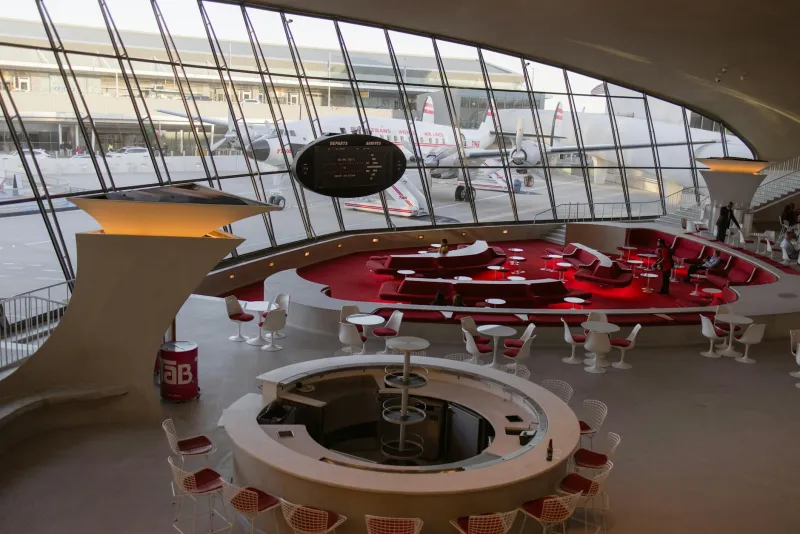
The Last Generation to Iron Their Jeans
In 1965, stepping onto an airplane meant putting on your Sunday best. Men wore suits and ties, women donned dresses and heels, and children were scrubbed clean in their finest outfits. The same ritual played out at movie theaters, department stores, and even grocery shopping trips. Getting dressed wasn't just about covering your body — it was about showing respect for public spaces and the people in them.
Today, you can board a cross-country flight in flip-flops and pajama pants without anyone batting an eye. The transformation from a culture of universal dress codes to our current anything-goes approach didn't happen overnight, but when you look at old photographs, the change seems almost impossible to believe.
When Casual Friday Was Revolutionary
The unraveling began in corporate America during the 1960s. IBM, the company synonymous with the white shirt and dark suit uniform, started allowing "casual dress" on Fridays in 1979. What seemed like a small workplace perk would eventually topple decades of established social norms.
But the real catalyst wasn't corporate policy — it was synthetic fabrics. The introduction of polyester, nylon, and other man-made materials in the 1950s and 60s made comfortable, wrinkle-resistant clothing affordable for the masses. Suddenly, you didn't need to spend your evening ironing and starching to look presentable the next day.
The counterculture movement of the 1960s delivered the philosophical framework. Young Americans began rejecting what they saw as the stuffy, conformist dress codes of their parents' generation. Blue jeans, once exclusively workwear for laborers and cowboys, became a symbol of rebellion and authenticity.
The Department Store Dress Code Vanished
Perhaps nowhere was the change more dramatic than in retail spaces. Shopping at Macy's or Saks Fifth Avenue in 1955 required the same level of dress as attending church. Sales associates wore formal attire, and customers were expected to match that standard.
Walk into any department store today, and you'll see shoppers in athletic wear, tank tops, and shorts that would have caused a scandal just two generations ago. The shift reflected changing economics as much as changing attitudes — as shopping moved from special occasion to daily necessity, the clothing requirements had to change too.
Air travel underwent perhaps the most dramatic transformation. Flying in the 1960s was expensive, rare, and treated as a special event. Airlines actually enforced dress codes, refusing service to passengers deemed inappropriately dressed. Pan Am's advertising from the era shows passengers who look like they're heading to a business meeting or wedding reception.
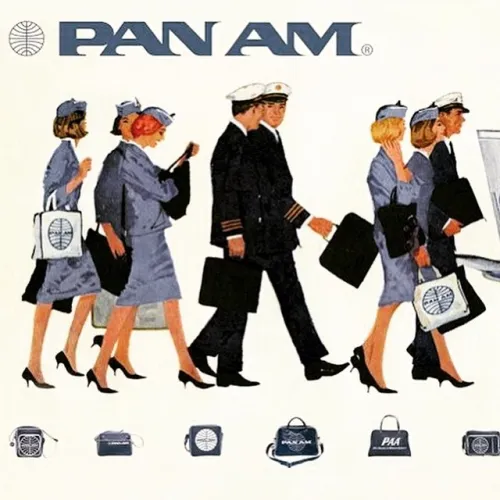 Photo: Pan Am, via mattsko.com
Today's airports resemble giant living rooms, filled with travelers in sweatpants, yoga pants, and pajama-adjacent clothing. The democratization of air travel — ticket prices dropped by more than 50% between 1978 and 2018 when adjusted for inflation — transformed flying from luxury experience to public transportation.
What We Lost When Standards Relaxed
The rise of remote work delivered the final blow to formal dress codes. When millions of Americans started working from home during the pandemic, the boundary between private and public attire essentially disappeared. "Business on top, pajamas on bottom" became the new normal for video calls, and many workers never looked back.
But something was lost in this great relaxation. The ritual of getting dressed for public spaces created a psychological boundary between private and public life. It signaled respect for shared spaces and the people in them. The act of putting on "real clothes" prepared the mind for social interaction in a way that rolling out of bed in yesterday's t-shirt simply doesn't.
Older Americans often describe feeling uncomfortable or underdressed in today's casual environment, even when they're wearing what would have been considered appropriate casual wear in their youth. The social contract around appearance has been rewritten so completely that formal dress now feels like costume rather than courtesy.
The New Uniform of Comfort
Today's American wardrobe reflects different values: comfort, convenience, and individual expression over conformity and formality. Athletic wear has become everyday wear, with Americans spending more on yoga pants and sneakers than dress shirts and leather shoes.
The change hasn't been entirely negative. The relaxation of dress codes has made public spaces more accessible to people who couldn't afford formal attire or felt excluded by rigid social expectations. Parents with young children, people with physical disabilities, and those working multiple jobs all benefit from a culture that prioritizes comfort over appearance.
Yet something ineffable was lost when Americans stopped dressing up for ordinary life. The shared standard created a sense of occasion around everyday activities — going to the movies, shopping downtown, or catching a flight felt special partly because of the care people took in their appearance.
Looking at photographs from the 1950s and 60s, it's striking how put-together everyone looks, even in candid shots on city streets. Today's street photography captures a very different America — one where comfort has conquered formality, and where the idea of dressing up to buy groceries seems as antiquated as using a rotary phone.