The Day America Stopped: How Losing Our Collective Sabbath Changed Everything
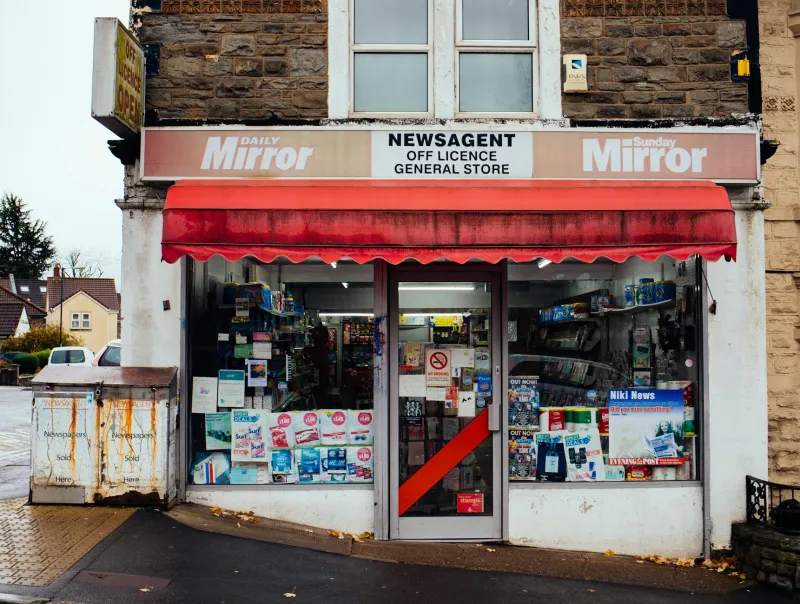
Try to imagine it: an entire country that simply stopped working one day every week. No shopping malls buzzing with activity. No restaurants serving brunch crowds. No Home Depot runs or Target trips. Just... quiet.
For most of American history, Sunday wasn't a day for errands or entertainment—it was a day when the whole country pressed pause. Blue laws, those seemingly antiquated regulations that required businesses to close on Sundays, created something we've never experienced since: a shared national day of rest that nobody could escape, regardless of their personal beliefs or preferences.
Today, Sunday is just another day for commerce, and we're only beginning to understand what we lost when America decided to stay open 24/7.
When America Had No Choice But to Rest
In 1960, walking through any American town on Sunday felt like stepping into a movie set after the cameras stopped rolling. Main Street was empty except for churchgoers. Department stores were locked up tight. Gas stations were closed. Even restaurants and movie theaters were shuttered in many states.
These weren't suggestions—they were laws. Blue laws, named either for the blue paper they were originally printed on or the "blue" mood they supposedly created, made it illegal for most businesses to operate on Sundays. Violate them, and you faced fines, license revocation, or even jail time.
The laws varied by state and region, but the effect was universal: Sunday became a day when Americans had no choice but to find something to do that didn't involve spending money or working. For many, that meant family time, neighborhood visits, long walks, reading, or simply sitting on the front porch watching the world stand still.
The Quiet Revolution Nobody Noticed
The dismantling of blue laws happened gradually, almost invisibly, starting in the 1960s. Court challenges argued they violated religious freedom. Retailers pushed for the right to capture weekend shoppers. Consumers wanted the convenience of seven-day shopping.
One by one, states repealed or relaxed their Sunday closing laws. By the 1980s, most blue laws had disappeared except for a few holdouts—you still can't buy a car on Sunday in many states, and some places restrict alcohol sales.
What seemed like a simple matter of personal freedom and economic efficiency turned out to be something much more profound. America had eliminated its last shared ritual, the one day when everyone was forced to step off the hamster wheel simultaneously.
The Science of Stopping
Modern research suggests that losing our collective day of rest may have cost us more than anyone realized at the time. Sleep researchers have found that humans have natural circadian rhythms that benefit from regular periods of reduced activity. Having one day per week with dramatically different routines helps reset these biological clocks.
Psychologists studying "cognitive restoration" have discovered that our brains need regular breaks from decision-making and stimulation to function optimally. The constant availability of shopping, entertainment, and work activities means we never get complete mental rest.
Social scientists have documented how shared rest periods strengthen community bonds. When everyone is off work simultaneously, social connections naturally flourish. People visit neighbors, extended families gather, and communities develop stronger social capital.
What Families Did When Shopping Wasn't an Option
With nowhere to go and nothing to buy, American families in the blue law era had to invent their own entertainment. Sunday drives became national pastimes—not to reach destinations, but just to spend time together in the car looking at scenery.
Backyard barbecues weren't special occasions; they were weekly rituals. Board games and card games flourished because there were no competing entertainment options. Children played elaborate neighborhood games that lasted all day because organized activities weren't available.
Families read together, not because they were particularly literary, but because there wasn't much else to do. Local parks were packed with people who had nowhere else to go. Libraries became social centers on Sunday afternoons.
The Always-Open Economy We Created
Today's Sunday looks radically different. Shopping malls are as busy on Sunday as any other day. Restaurants serve their biggest crowds during weekend brunches. Home improvement stores see their highest traffic from people tackling weekend projects.
We've created an economy that never sleeps, where every day is a potential shopping day and every hour is a potential working hour. The average American now makes 2.3 shopping trips per week compared to 1.1 in 1960, with Sunday becoming one of the busiest retail days.
This constant commercial availability has changed how we structure our time and relationships. Instead of having a guaranteed day when families would be together because there was nowhere else to go, we now have to actively choose family time over dozens of other available activities.
The Stress of Infinite Options
Psychologists call it "choice overload"—the anxiety that comes from having too many options. When everything is always available, every decision becomes a trade-off. Should we go shopping, visit family, work on the house, or binge-watch Netflix?
In the blue law era, these decisions were made for you. With most commercial options eliminated, the choice became simpler: spend time with people or spend time alone, but either way, you were resting from the normal routines of work and consumption.
Modern Americans report higher levels of weekend stress than their grandparents, partly because weekends now require constant decision-making rather than following established patterns of rest and community.
The Loneliness of Always Being Busy
Sociologist Robert Putnam documented how Americans became increasingly isolated from their communities starting in the 1960s. The timing wasn't coincidental. When Sunday became just another day for individual activities rather than a shared day of rest, one of the last remaining forces that brought communities together disappeared.
Church attendance declined not just because of changing religious beliefs, but because Sunday services had to compete with shopping, sports, and work for the first time. Community organizations struggled to find meeting times when everyone was available. Extended families found it harder to coordinate gatherings when some members were working retail jobs that now required Sunday shifts.
What Other Countries Still Understand
Interestingly, many European countries maintained stronger Sunday closing laws even as America abandoned them. Germany still prohibits most retail activity on Sundays. France limits Sunday shopping to tourist areas and essential services. These countries report higher levels of work-life balance and community cohesion than the United States.
Some American communities are rediscovering the benefits of collective rest. A few small towns have voluntarily returned to Sunday business closures. Some companies have implemented "digital sabbaths" where employees disconnect from work communications for 24-hour periods.
The Day We Couldn't Get Back
The irony is that we dismantled blue laws in the name of freedom, but we may have made ourselves less free in the process. When rest was mandatory, it was truly restful. When rest becomes optional in a culture that never stops, it becomes just another item on an endless to-do list.
We gained convenience and consumer choice. We lost the simple peace of knowing that one day each week, the whole country would slow down together, creating space for the kinds of connections and restoration that only happen when there's nowhere else to be.
The blue laws are gone, and they're not coming back. But their disappearance reminds us that sometimes the most valuable freedoms are the ones that force us to stop running long enough to remember what we're running toward.