The 20-Mile Meal: How American Dinners Went From Down the Road to Around the World
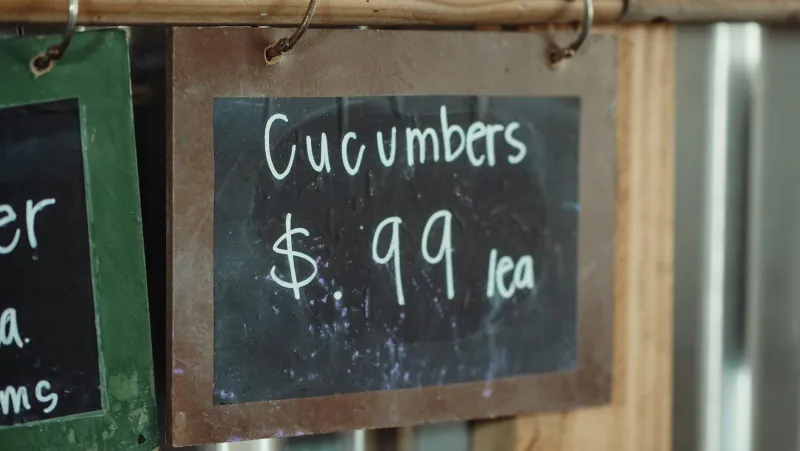
Picture your great-grandmother planning Sunday dinner in 1940. She'd walk to Murphy's corner store, where the milk came from the Hendersons' dairy three miles east, the eggs from the Kowalski farm just past the railroad tracks, and the beef from cattle that grazed in fields she could see from her kitchen window. The produce? Harvested that morning from farms within a bicycle ride of town.
Now look at your last grocery receipt. Those California strawberries in January traveled 2,400 miles. The salmon from Alaska crossed 3,000 miles. Even that "local" bread contains wheat from Kansas, processed in Iowa, and shipped to seventeen distribution centers before landing in your cart.
When Food Had a Face and a Name
In 1940s America, food systems were intensely personal. Farmers knew their customers by name, and customers knew exactly where their dinner originated. Mrs. Patterson bought her chickens from the same farm where she'd grown up helping her father collect eggs. The butcher could tell you which pasture your steak came from, and the baker used flour milled from wheat grown in the county next door.
This wasn't romantic nostalgia—it was economic necessity. Transportation was expensive, refrigeration was limited, and preservation technology couldn't extend shelf life indefinitely. Food had to be local because there was no practical alternative.
The average American meal in 1940 contained ingredients that traveled just 20 miles from farm to table. Seasonal eating wasn't a trendy choice; it was the only choice. Tomatoes in December? Impossible. Fresh peaches in March? Not happening.
The Great Stretching of the American Plate
The transformation began quietly in the 1950s. Interstate highways made long-distance trucking economical. Advances in refrigeration meant produce could survive thousand-mile journeys. Chemical preservatives extended shelf life from days to months.
By the 1970s, supermarket chains had discovered they could source ingredients from wherever they were cheapest, regardless of distance. Why buy local apples at 60 cents per pound when Washington State apples could be shipped nationwide for 35 cents?
The math was simple: consumers wanted lower prices and year-round availability. The food industry delivered both by stretching supply chains across continents.
Today, the average American meal travels 1,500 miles before reaching your plate. That number represents a fundamental rewiring of how America eats. Your salad might contain lettuce from California, tomatoes from Mexico, cucumbers from Canada, and dressing made in New Jersey from ingredients sourced from six different countries.
What We Gained in the Great Food Stretch
The benefits are undeniable. Modern Americans enjoy food variety that would have stunned their grandparents. Fresh strawberries in January, tropical fruits in Minnesota, and ethnic cuisines from around the world sitting side by side in every suburban strip mall.
Prices plummeted in real terms. Americans in 1940 spent 25% of their income on food. Today, despite eating far more variety, we spend just 10%. The average family has access to foods that were once luxuries reserved for the wealthy.
Food safety improved dramatically. Large-scale processing facilities follow strict federal regulations that would have been impossible to enforce across thousands of small, local operations. The risk of contamination, while not eliminated, is far lower than in the era of unregulated local food systems.
The Hidden Costs of Going Global
But something was lost in translation. Nutritional studies show that produce loses vitamins during long-distance transport. Tomatoes picked green in Mexico and ripened artificially during their journey north contain 30% fewer nutrients than vine-ripened local tomatoes.
Flavor suffered too. Modern produce varieties are selected for their ability to survive shipping, not for taste. The cardboard tomatoes and flavorless strawberries in today's supermarkets would have been rejected by customers who knew what fresh really tasted like.
Food security became paradoxically more fragile despite appearing more robust. When Hurricane Katrina disrupted transportation networks, grocery stores across the Southeast emptied within days. Our ancestors' local food systems were more resilient to supply chain disruptions because they didn't depend on complex logistics networks.
The Environmental Arithmetic
The environmental cost is staggering. Food transportation now accounts for 11% of greenhouse gas emissions from the food system. Those California grapes consumed in New York generated more carbon emissions during transport than many families produce driving for a month.
The average carrot travels 1,838 miles to reach American consumers. Lettuce travels 2,055 miles. Even processed foods that could be made locally are often shipped to centralized facilities and then distributed nationwide, multiplying transportation emissions.
When Local Wasn't a Choice—It Was Life
Perhaps most significantly, we lost the deep connection between food and place that shaped American communities for centuries. When your food came from neighbors, eating was a social act that reinforced local relationships and seasonal rhythms.
Farmers' markets are now special weekend events rather than the default way people shopped. Seasonal eating requires conscious effort and higher costs rather than being the natural result of what's available.
The knowledge of food production that was once common sense—how to preserve vegetables, when fruits ripen, how weather affects crops—has largely disappeared from American culture.
The Path We're On
Today, a growing number of Americans are questioning whether cheaper and more convenient food is worth what we've given up. The local food movement, community-supported agriculture, and farm-to-table restaurants represent attempts to shorten those 1,500-mile supply chains.
But we can't simply return to 1940s food systems. The local infrastructure that once fed America—the network of small farms, neighborhood stores, and regional food processing—was dismantled to make way for our current system.
What we can do is recognize what we traded away when we chose convenience and cost over connection and community. The 20-mile meal wasn't just about food—it was about a fundamentally different relationship between people and the land that fed them, one that most Americans today have never experienced.