Kids Once Invented Their Own Games and Settled Their Own Scores — Before Adults Took Over Childhood
The Great Disappearing Act
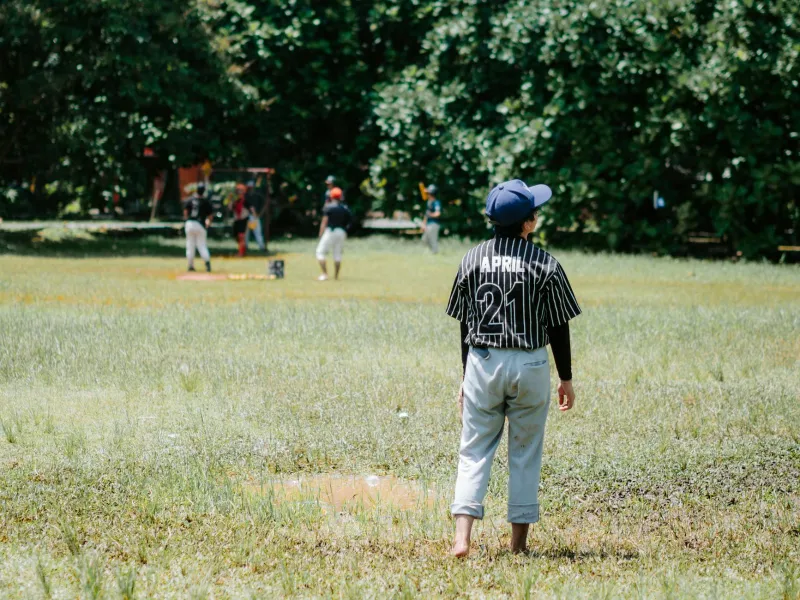
Every afternoon at 3:30, kids across America used to vanish. They'd dump their school books, grab a snack, and disappear into backyards, empty lots, and neighborhood streets until dinnertime. No one knew exactly where they were or what they were playing — and that was perfectly normal.
These weren't organized activities. There were no coaches, no uniforms, no registration fees. Kids would gather in someone's backyard and invent elaborate games with rules that changed by the minute. They'd argue about whether someone was safe or out, negotiate team captains, and figure out what to do when the ball went over Mrs. Henderson's fence.
 Photo: Mrs. Henderson's fence, via www.mrsfence.com
Stickball in the street. Capture the flag in the woods. Elaborate games of hide-and-seek that could last for hours and cover entire neighborhoods. The only adult supervision came from mothers occasionally yelling "Be home when the streetlights come on!"
When Children Were Their Own Referees
In this world of unsupervised play, kids learned to solve problems that today's adults handle for them. If someone called a foul in a pickup basketball game, the players had to hash it out themselves. There was no referee to appeal to, no parent to intervene, no coach to make the final call.
These negotiations could get heated. Kids would argue, sometimes storm off, occasionally fight. But they'd also learn to compromise, to see other perspectives, and to value keeping the game going over being right. The kid who always insisted on his way quickly found himself playing alone.
Teams formed organically based on who showed up that day. The best players would get picked first, but everyone eventually got included because you needed enough people to play. No one got a participation trophy, but everyone got to participate.
The Adult Invasion Begins
Sometime in the 1980s and 1990s, American parents began to worry that unsupervised play wasn't good enough for their children. What started as occasional organized sports began expanding into year-round commitments that consumed entire family schedules.
Little League, which had existed since the 1930s, suddenly exploded into travel teams, select leagues, and specialized coaching. Soccer moms became a cultural phenomenon as parents spent weekends driving between fields across multiple counties. What had once been a pickup game in the park became a serious athletic pursuit requiring significant family investment.
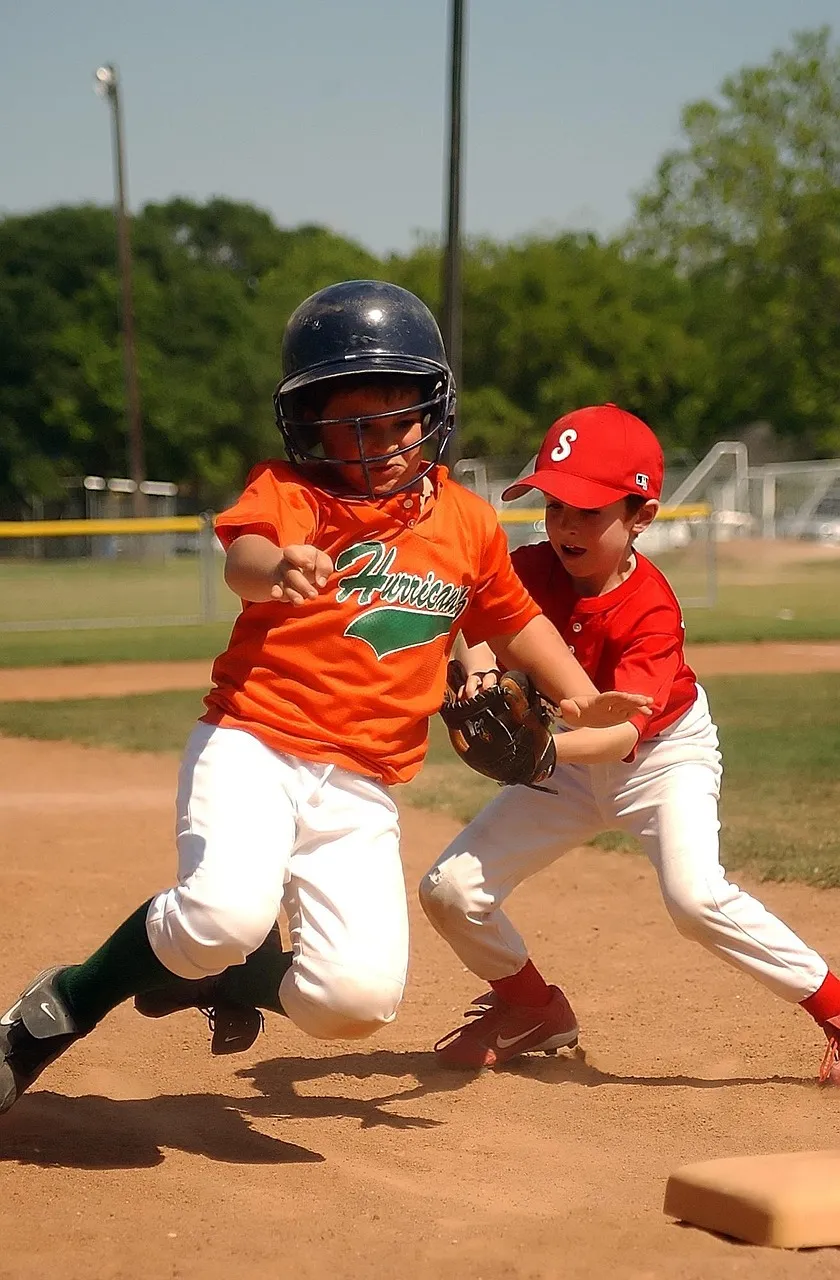 Photo: Little League, via cdn.pixabay.com
The transformation wasn't just about sports. Even free play became structured. Playdates replaced spontaneous neighborhood gatherings. Adult-supervised activities filled after-school hours that kids had once controlled themselves.
The Professionalization of Childhood Sports
By the 2000s, youth sports had become a massive industry. Families began spending thousands of dollars annually on equipment, coaching, travel, and tournament fees. Eight-year-olds were getting private batting coaches. Ten-year-olds were specializing in single sports year-round.
The casual neighborhood pickup game became virtually extinct in many communities. Kids who wanted to play sports had to join official teams, follow adult-created rules, and compete in structured leagues. The spontaneous, ever-changing games that previous generations had invented were replaced by standardized activities designed by adults.
Travel teams meant weekends devoted to tournaments in distant cities. Hotel stays, restaurant meals, and gas money turned youth sports into major family expenses. Some families began taking out loans or second mortgages to fund their children's athletic pursuits.
What the Research Shows
Child development experts have begun to question whether this transformation has been entirely positive. Studies suggest that unstructured play teaches different skills than organized activities — skills that may be crucial for adult success.
In pickup games, children learn to negotiate, compromise, and adapt to changing circumstances. They develop creativity, problem-solving abilities, and emotional resilience. When adults remove these challenges by organizing everything in advance, kids may miss opportunities to develop crucial life skills.
Research also shows that children who engage in more unstructured play tend to be more creative, better at working in groups, and more emotionally mature. The very chaos and conflict that modern parents try to eliminate may be essential for healthy development.
The Fear Factor
Part of the shift toward organized activities reflects genuine changes in American life. Many neighborhoods feel less safe than they did decades ago, and parents are more aware of potential dangers. The idea of children roaming unsupervised for hours makes many modern parents deeply uncomfortable.
But some experts argue that we've overcorrected, creating a generation of children who are physically safer but emotionally less prepared for adult challenges. When every conflict is resolved by an adult referee, kids may struggle to handle disagreements in college dorms or office environments.
The Cost of Perfection
Today's organized youth sports produce better athletes than the pickup games of previous generations. Training is more sophisticated, coaching is more knowledgeable, and performance levels continue to rise. But this improvement comes with costs that extend beyond money.
Families report feeling overwhelmed by sports schedules that dominate weekends and weeknights. Parents become chauffeurs, accountants, and cheerleaders for their children's athletic careers. The simple joy of playing for fun gets lost in the pursuit of scholarships and elite performance.
Meanwhile, kids who don't excel in organized sports may give up on physical activity entirely, since casual play opportunities have largely disappeared. The all-or-nothing nature of modern youth sports leaves little room for the moderately athletic child who just wants to have fun.
What We've Gained and Lost
The professionalization of childhood sports has created opportunities that previous generations couldn't imagine. More kids receive quality coaching, better equipment, and chances to compete at high levels. Girls, in particular, have benefited enormously from expanded athletic opportunities.
But something irreplaceable was lost when adults took control of children's play. The creativity, independence, and problem-solving skills that emerged from unsupervised games may be harder to develop in structured environments, no matter how well-intentioned.
The question isn't whether organized sports are bad — they clearly offer valuable benefits. It's whether we've swung too far toward adult control and away from child-directed play. Finding that balance may determine whether the next generation can handle the messy, unstructured challenges that real life will inevitably throw their way.