The American Kitchen in 1910 Was a Full-Time Job. Here's What Changed Everything.
The American Kitchen in 1910 Was a Full-Time Job. Here's What Changed Everything.
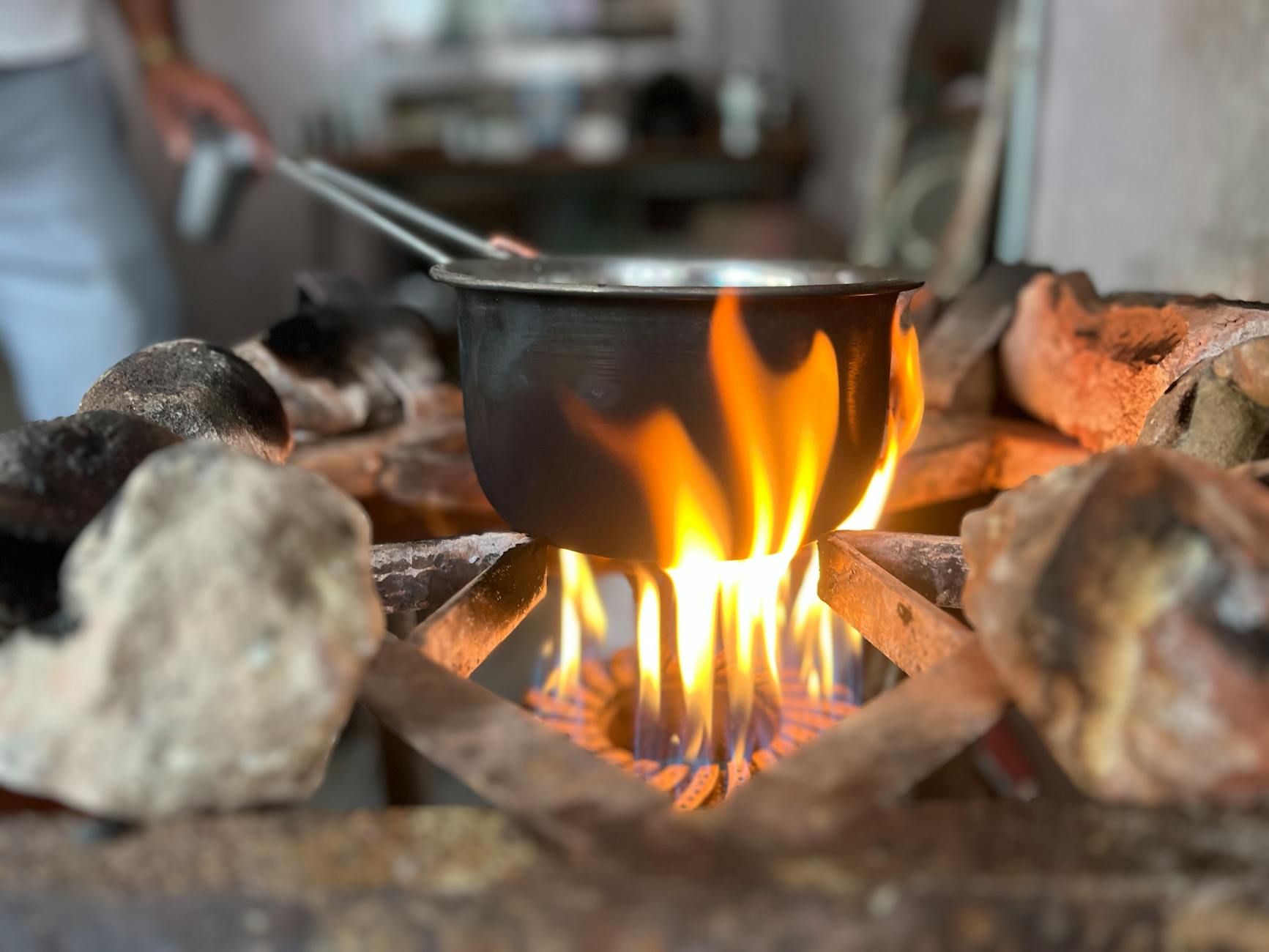
Picture a Tuesday morning in a typical American farmhouse in 1910. By 5:30 a.m., someone is already in the kitchen — not scrolling a phone while the coffee brews, but hauling coal or wood to the stove, coaxing a fire to life, and waiting for the iron surface to reach a temperature worth cooking on. Breakfast alone might take ninety minutes of active work. Dinner, which most families ate at midday, could take longer. Supper had to be planned and started hours before anyone sat down.
Estimates from early 20th-century home economics studies suggest the average American homemaker spent somewhere between three and five hours every single day on food preparation alone. That figure doesn't include cleaning up, preserving food for winter, or the weekly labor of baking bread. Feeding a family was, in the most literal sense, a full-time occupation.
Today, the average American spends around 37 minutes a day on meal preparation and cleanup combined. The collapse in time cost is so dramatic it's almost hard to believe it describes the same activity.
Before the Refrigerator Changed Everything
The absence of mechanical refrigeration shaped every aspect of how American families ate before the 1930s and 1940s, when electric refrigerators finally became common in middle-class homes.
Without reliable cold storage, food had to be bought or harvested frequently, preserved through labor-intensive methods, or simply accepted as perishable. Meat was salted, smoked, or pickled. Vegetables were canned during summer harvests in a process that could occupy a household for days at a stretch — hot, physically demanding work involving boiling water baths and careful timing to prevent spoilage. Milk soured quickly. Leftovers were a gamble.
Ice boxes existed in urban areas, but they required regular delivery of actual ice blocks, which had to be harvested in winter, stored in insulated icehouses, and distributed by horse-drawn wagon. The whole system was expensive, unreliable, and limited in its cooling capacity. Most rural families simply managed without.
The electric refrigerator didn't just save time. It fundamentally changed what was possible to eat, when, and with how much effort.
The Wave of Innovations That Compressed a Century of Cooking
Refrigeration was the foundation, but the transformation of the American kitchen happened in layers, each one shaving more hours off the daily work of feeding a family.
Canned and processed goods began arriving on grocery store shelves in meaningful quantities after World War I, and their adoption accelerated through the 1920s and 1930s. A can of Campbell's tomato soup wasn't just convenient — for families without root cellars or preservation equipment, it was a genuine revelation. You could have tomato soup in January without having spent August canning it.
Gas and electric ranges replaced coal and wood stoves progressively through the mid-20th century. The difference was enormous. A coal stove required tending, loading, and a long warm-up period. A gas burner lit in seconds and responded immediately to adjustment. Cooking times that had to be estimated by touch and experience became controllable and predictable.
The frozen food industry, pioneered commercially by Clarence Birdseye in the late 1920s and expanding rapidly after World War II, added another dimension. Vegetables that would have required hours of summer canning could now be bought year-round in a cardboard box and cooked in minutes.
The microwave oven arrived in home kitchens in the 1970s and did something no previous technology had quite managed: it made reheating food almost instant. The psychological shift this created was as significant as the practical one. Leftovers stopped being a chore and became a resource.
Grocery delivery and meal kit services represent the latest compression. Today, a family can have pre-portioned, pre-prepped ingredients delivered to their door and have a restaurant-quality meal on the table in under 30 minutes — without a single trip to the store, without any of the planning that once occupied hours of mental labor every week.
What We Gained — and What Quietly Disappeared
The numbers tell a story of liberation. Time that was once consumed by the basic work of survival — feeding people, keeping them nourished through winter, managing the daily logistics of a pre-industrial kitchen — was freed up for other things. Work outside the home. Education. Leisure. The expansion of women's participation in the workforce in the latter half of the 20th century is inseparable from the fact that the home itself became dramatically less labor-intensive.
But something else changed too, and it's worth sitting with for a moment.
The shared labor of food preparation — the rhythms of a household organized around meals, the knowledge passed between generations about how to preserve, cook, and provision a family — largely vanished within a few decades. Cooking from scratch became a hobby rather than a necessity. Family recipes that had survived for generations stopped being transmitted because the conditions that made them essential no longer existed.
American diets also shifted in ways that weren't entirely positive. The convenience revolution that saved hours also introduced processed foods, added sugars, and refined ingredients at a scale no previous generation had encountered. The time saved in the kitchen was sometimes offset by what ended up in the food.
A Different Kind of Everyday Life
The kitchen of 1910 was a place of constant, skilled, demanding labor. The kitchen of today is a room many Americans barely use. Between those two points lies one of the quietest but most sweeping transformations in the history of ordinary American life.
We didn't notice it happening because it happened incrementally — one appliance at a time, one product launch at a time, across a century of small changes that added up to something enormous. The three hours a day our great-grandmothers spent just keeping their families fed are now, for most of us, completely invisible. That's either a triumph of human ingenuity, a loss of something meaningful, or — most likely — both at once.