Four Decades Ago, a Cancer Diagnosis Was Often a Death Sentence. The Numbers Today Tell a Different Story.
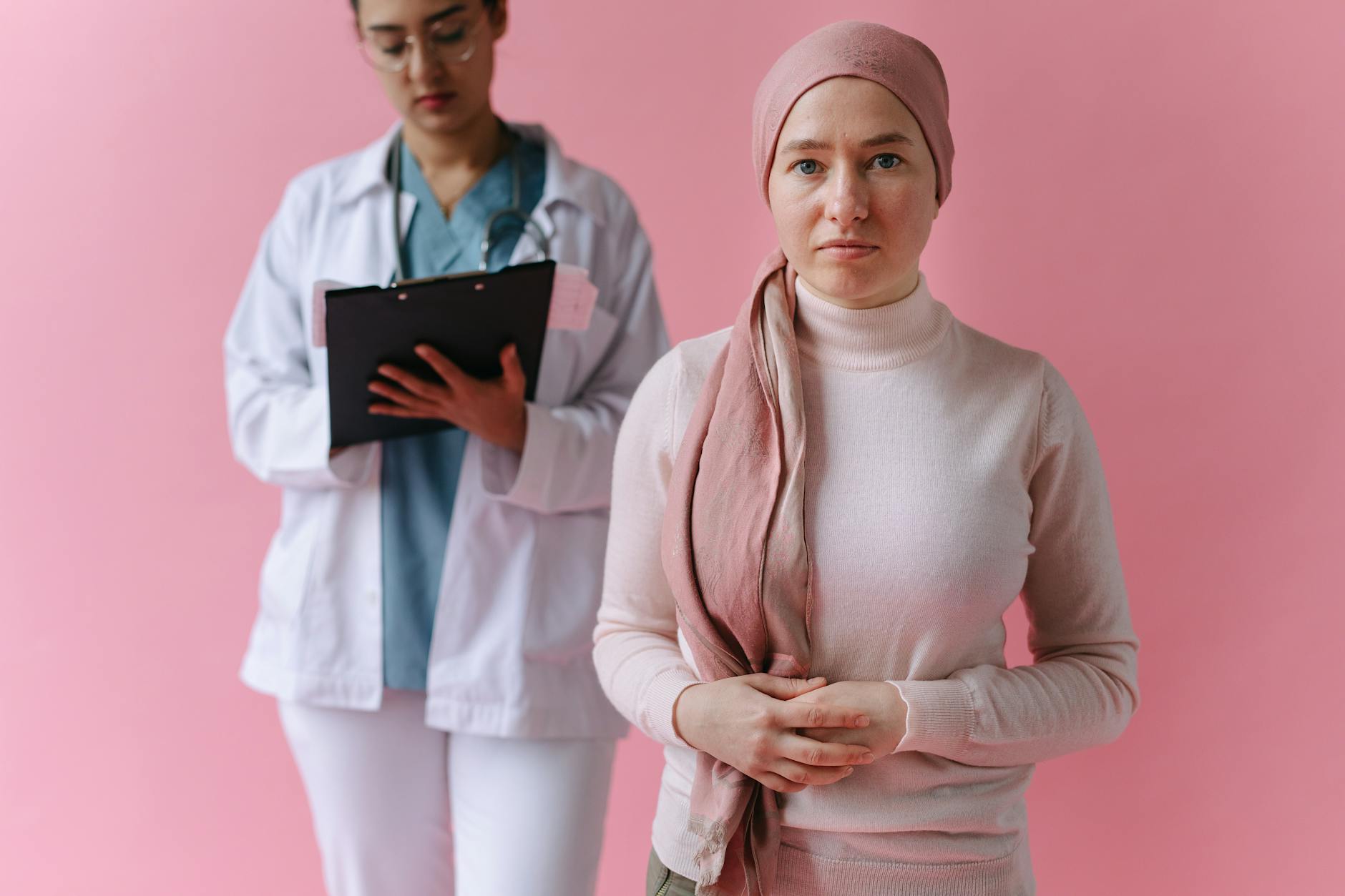
Four Decades Ago, a Cancer Diagnosis Was Often a Death Sentence. The Numbers Today Tell a Different Story.
In 1975, if you were diagnosed with cancer in the United States, the odds were not in your favor. The overall five-year survival rate — the standard benchmark oncologists use to measure whether a treatment is working — sat at around 49 percent across all cancer types combined. Roughly one in two people diagnosed would not survive five years. For many specific cancers, the numbers were far grimmer than that.
Today, the overall five-year survival rate for cancer in the United States has climbed to approximately 69 percent. That 20-point improvement might sound modest written out as a statistic. But translate it into human beings and it becomes something else entirely: millions of Americans alive right now who, under the medical conditions of four decades ago, almost certainly would not be.
This is one of the great underappreciated triumphs of modern medicine — a victory won slowly, across decades, through thousands of small advances that compounded into something profound.
The Landscape of Cancer in the Late 1970s
To understand how far things have come, it helps to understand what a cancer diagnosis actually meant in that era.
Treatment options were largely limited to three approaches: surgery, radiation, and chemotherapy. Chemotherapy in particular was blunt and brutal — drugs designed to kill rapidly dividing cells, which meant they attacked tumors but also devastated healthy tissue. Side effects were severe and often debilitating. For many cancers, even aggressive treatment bought only months.
Early detection was limited. Mammography existed but wasn't yet widely used for screening. The PSA test for prostate cancer hadn't been developed. Colonoscopies were not yet a routine recommendation. Many cancers weren't found until they had already spread to other organs — a stage at which treatment options narrowed dramatically.
For some cancers, the situation was close to hopeless. Childhood acute lymphoblastic leukemia — the most common cancer in children — had a five-year survival rate of around 58 percent in the mid-1970s. That figure sounds almost acceptable until you remember it means four in ten children diagnosed with leukemia didn't survive to see their tenth birthday.
Where the Transformation Has Been Most Dramatic
The improvement in cancer outcomes hasn't been uniform. Some cancers remain devastatingly hard to treat. Pancreatic cancer, for instance, still carries a five-year survival rate below 15 percent — a figure that has improved, but not nearly enough. The story of cancer progress is a story of uneven victories, some of them breathtaking.
Childhood leukemia is perhaps the most striking example. That 58 percent survival rate from the 1970s has risen to approximately 90 percent today. Refined chemotherapy protocols, better supportive care, and bone marrow transplant techniques transformed a disease that once killed most children it touched into one that most children now survive. Entire generations of Americans are alive — working, raising families, growing old — because of that shift.
Breast cancer tells another remarkable story. In the late 1970s, the five-year survival rate for breast cancer was around 75 percent — not terrible, but far from where it is today. Current five-year survival for breast cancer sits above 91 percent overall, and for localized breast cancer caught early, it exceeds 99 percent. The combination of widespread mammography screening, hormonal therapies, and targeted drugs like Herceptin reshaped the disease's trajectory entirely.
Chronic myeloid leukemia (CML), a blood cancer that was once managed but rarely beaten, saw one of the most dramatic single-drug transformations in oncology history. In 2001, the FDA approved imatinib (Gleevec), a drug that targeted the specific genetic mutation driving CML. Five-year survival rates leapt from around 31 percent to over 90 percent. One drug, one mutation, one of the most striking before-and-after moments in modern medicine.
Hodgkin lymphoma, once nearly always fatal, now carries a five-year survival rate above 87 percent. Many patients are considered cured outright.
The Breakthroughs Behind the Numbers
Several distinct advances drove this transformation, and they arrived in waves.
Early detection programs were arguably the first major lever. When cancer is caught before it spreads, the options expand and the odds improve dramatically. The rollout of routine mammography, colonoscopy screening guidelines, and Pap smears for cervical cancer meant that millions of Americans had cancers identified at stage one or two rather than stage three or four. Catching a cancer earlier doesn't change its biology — but it changes what medicine can do about it.
Targeted therapies represented a philosophical shift in how oncologists thought about treatment. Rather than attacking all rapidly dividing cells indiscriminately, researchers began identifying the specific molecular mechanisms driving individual cancers and developing drugs designed to interfere with those mechanisms precisely. The side effect profiles were often better. The results, in some cases, were extraordinary.
Immunotherapy — teaching the body's own immune system to recognize and attack cancer cells — has emerged as perhaps the most exciting development of the past two decades. Checkpoint inhibitors, a class of drugs that essentially release the immune system's brakes, have produced durable remissions in cancers like melanoma and certain lung cancers that were previously considered near-untreatable. Some patients who received these treatments in early trials are still alive more than a decade later with no evidence of disease.
Putting the Numbers in Human Terms
The American Cancer Society estimates that the improvements in cancer survival and declining death rates observed since 1991 have translated into approximately 3.8 million deaths averted through 2019. Those are people who were alive to watch their children graduate, who made it to retirement, who sat at Thanksgiving tables that would otherwise have had an empty chair.
None of them experienced a single dramatic moment when cancer was cured. What they experienced was the accumulated result of thousands of clinical trials, laboratory discoveries, public health campaigns, and medical training improvements that compounded across four decades.
A Victory That Deserves More Recognition
Cancer remains a devastating disease. More than 600,000 Americans still die from it every year, and for many patients the journey through treatment is still brutal. There is no version of this story that ends with "and then we solved cancer."
But the distance between where we were in 1975 and where we stand today is extraordinary — and it's the kind of progress that tends to get overlooked precisely because it happened gradually. No single announcement, no single cure. Just the slow, steady accumulation of science doing its work.
Millions of Americans are alive today because of it. That's worth stopping to notice.