When Americans Got the News Twice a Day and Slept Soundly — Before Information Became Inescapable
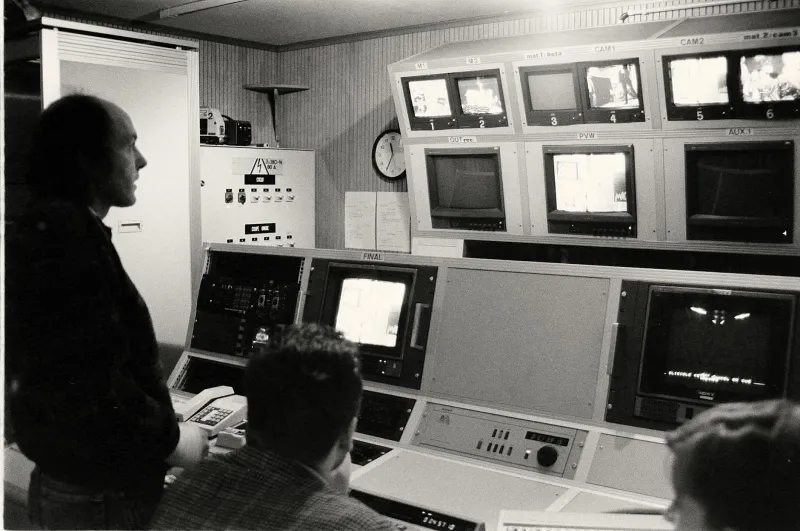
When the News Had Office Hours
In 1970, staying informed was simple. You read the morning paper over breakfast, caught Walter Cronkite at 6:30 PM, and that was it. The news cycle had clear boundaries — morning delivery and evening broadcast — and once those windows closed, the world's problems waited until tomorrow.
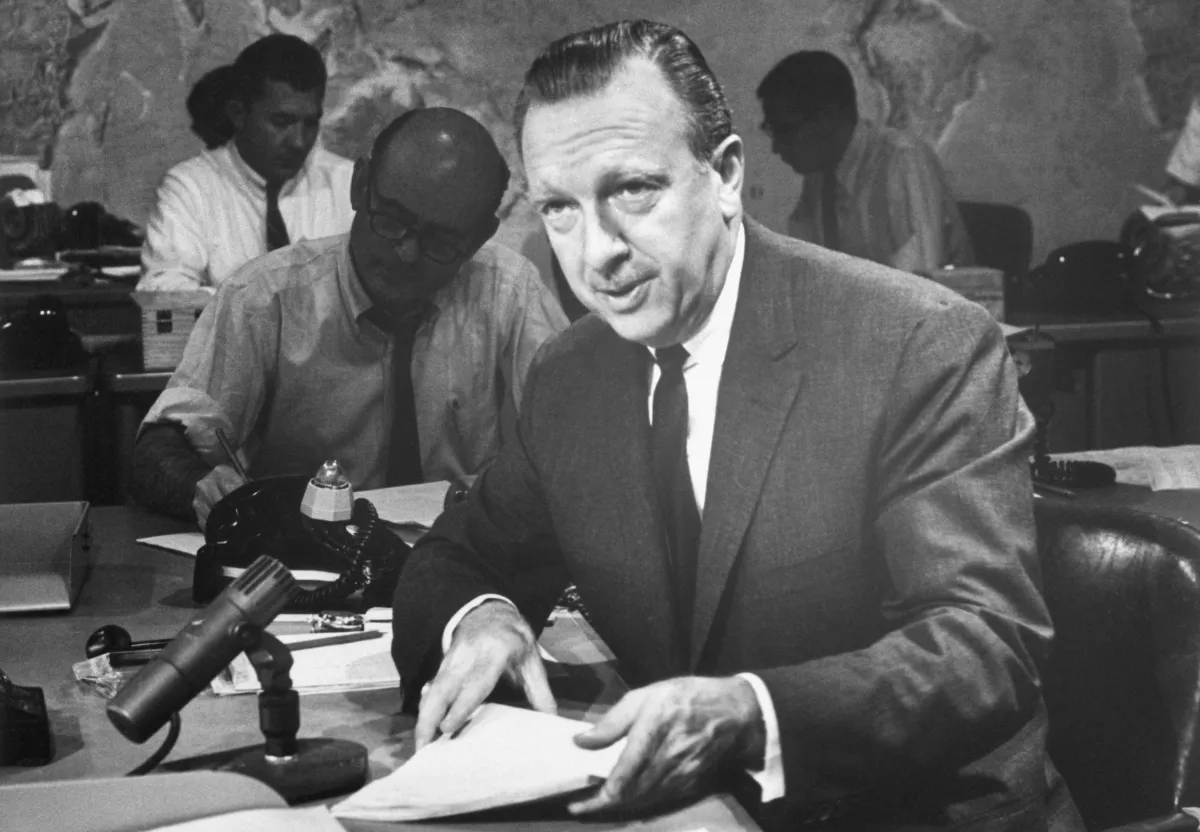 Photo: Walter Cronkite, via www.thoughtco.com
Americans lived in what we might now consider information poverty, but they slept better for it. There were no breaking news alerts at 2 AM, no endless scroll of global catastrophes, no algorithm pushing increasingly dramatic headlines to capture attention. The news was finite, predictable, and contained.
Today's Americans check their phones 96 times per day on average, and much of that checking involves news consumption. We've traded the peaceful ignorance of evening silence for the constant anxiety of knowing everything, everywhere, all at once.
The Gatekeepers Kept the Gates
The old system had profound limitations, but also unexpected benefits. Three television networks and a handful of major newspapers controlled what most Americans knew about the world. This concentration of media power meant important stories sometimes went uncovered, and diverse voices were often excluded from the conversation.
But it also meant professional editors decided what qualified as "news." They filtered out rumors, verified facts, and made conscious decisions about what deserved public attention. The evening news was exactly thirty minutes because that's how long producers believed the average person should spend thinking about national and international events each day.
Compare that to today's information environment, where anyone with a smartphone can broadcast "breaking news" to millions of followers, where unverified rumors spread faster than facts, and where the sheer volume of available information makes traditional editorial judgment impossible.
The Anxiety of Infinite Updates
The transformation began with CNN's launch in 1980, which introduced the concept of 24-hour news. But the real revolution came with the internet, social media, and smartphones, which turned every American into a potential news consumer and distributor.
Psychologists have documented the mental health effects of constant news consumption: increased anxiety, depression, and a phenomenon called "headline stress disorder." Americans today report feeling overwhelmed by the volume of negative news, yet find themselves unable to stop consuming it.
In 1970, if something terrible happened on the other side of the world, most Americans wouldn't know about it until the next day's paper — if it was deemed important enough to include. Today, we receive real-time updates about every natural disaster, political scandal, and act of violence happening anywhere on Earth.
When Breaking News Actually Broke
The phrase "breaking news" used to mean something extraordinary had happened. Networks would interrupt regular programming only for events of genuine national importance: presidential assassinations, space missions, or declarations of war. The scarcity of these interruptions gave them tremendous power and significance.
Today's news cycle has devalued the concept entirely. Cable news channels display "BREAKING" graphics for routine political statements, celebrity deaths, and local weather events. The average American sees dozens of "breaking news" alerts each week, creating a constant state of artificial urgency.
This inflation of importance has real psychological consequences. When everything is urgent, nothing feels manageable. When every development is "breaking," the human nervous system never gets a chance to rest.
The Evening News as National Ritual
Walter Cronkite's evening broadcast drew 28 million viewers at its peak — roughly one in four Americans. Families gathered around television sets at the same time each night, creating a shared national experience of learning about the day's events together.
This communal consumption of news created common reference points for public discourse. Americans might disagree about politics, but they were generally working from the same set of basic facts about what had happened in the world.
Today's fragmented media landscape means different Americans consume entirely different sets of "facts." Social media algorithms create personalized information bubbles, while cable news channels cater to specific political viewpoints. The shared baseline of common knowledge that once anchored democratic debate has largely disappeared.
The Price of Knowing Everything
Modern Americans have access to more information than any generation in human history, but surveys consistently show they feel less informed and more confused about current events than their parents and grandparents did.
The paradox reflects the difference between information and understanding. Reading the morning paper and watching the evening news provided a curated, contextual overview of important developments. Today's fire hose of real-time updates, hot takes, and viral content provides vastly more data but often less actual knowledge.
Studies show that people who consume news constantly are actually less well-informed about basic civics and current events than those who limit their news consumption to specific times and sources. The human brain, it turns out, needs time to process and contextualize information — something the old twice-daily news cycle provided automatically.
The Notification Nation
Perhaps no single innovation has changed American news consumption more dramatically than the smartphone push notification. These alerts have eliminated the boundary between news time and personal time, making every American reachable by breaking news 24 hours a day.
The average smartphone user receives 60-80 notifications per day, many of them news-related. Each ping triggers a small stress response, creating a state of chronic low-level anxiety that previous generations never experienced. The simple act of putting your phone in airplane mode for a few hours now feels radical.
The psychological impact is measurable. Americans report higher levels of political stress, global anxiety, and news-related insomnia than ever before. The constant stream of negative information — which dominates news coverage because negative stories get more engagement — has created a generation that feels perpetually on edge about the state of the world.
When Ignorance Was Bliss
This isn't an argument for returning to the media landscape of 1970, with its limitations and exclusions. But it is worth considering what we've lost in our transition from information scarcity to information overload.
The twice-daily news cycle created natural boundaries that protected mental health and family time. Americans in 1970 were certainly less informed about global events, but they were also less anxious, less polarized, and more likely to engage with their immediate communities rather than obsessing over distant problems they couldn't solve.
The challenge for modern Americans isn't accessing information — it's learning to ignore most of it. The skills our grandparents took for granted — the ability to be present, to focus on local concerns, to sleep without checking the news — now require conscious effort and digital discipline.
In a world where information never stops, the most radical act might be deciding when to stop listening.