When Dinner Came From Scratch: How America Traded Real Food for Convenience
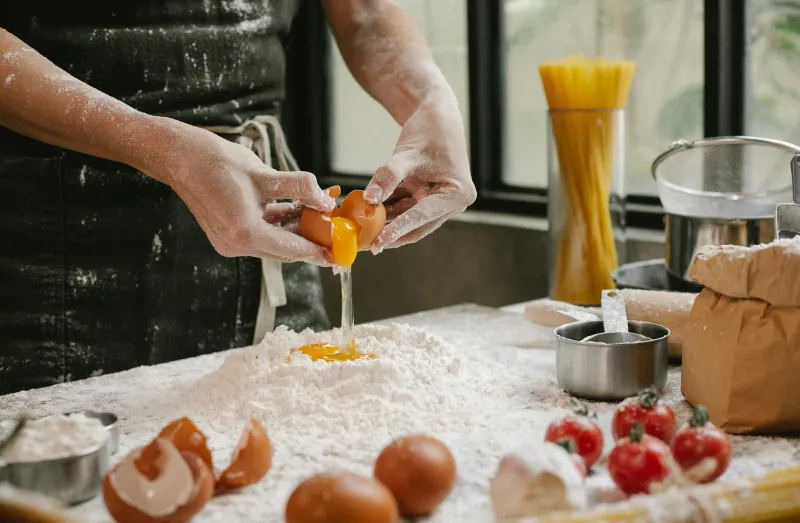
The Kitchen That Never Slept
In 1950, the American kitchen was a place of constant activity. Breakfast meant cracking eggs, slicing bread from a loaf, and brewing coffee from grounds. Lunch required assembling ingredients — sliced meat from the deli counter, lettuce from the garden, mayonnaise made from scratch or bought in small jars. Dinner involved chopping vegetables, browning meat, and timing multiple dishes to finish simultaneously.
The average housewife spent nearly three hours daily on food preparation and cleanup. Meals were events that structured the entire day's rhythm, and virtually everything that appeared on the table had been transformed from its basic ingredients within the family's own four walls.
There was no such thing as ultra-processed food because the technology to create it barely existed.
The Convenience Revolution
The transformation began innocuously enough in the 1950s with TV dinners and cake mixes. These early processed foods promised to free Americans from kitchen drudgery without sacrificing nutrition or flavor. A cake from a box could taste just as good as one made from scratch, food manufacturers insisted, and busy families deserved the extra time for more important pursuits.
By the 1960s, the space race had inadvertently accelerated food processing technology. NASA's need for shelf-stable, lightweight meals drove innovations in freeze-drying, chemical preservatives, and packaging. What worked for astronauts, food companies realized, could work for suburban families too.
The microwave oven, introduced to home kitchens in the late 1960s, created entirely new categories of convenience foods. Suddenly, a complete meal could go from freezer to table in minutes, no cooking skills required.
The Quiet Takeover
The shift happened so gradually that most Americans barely noticed. Breakfast cereals became more elaborate, loaded with sugar and artificial flavors that made them taste like dessert. Bread transformed from simple flour, water, yeast, and salt into products containing dozens of ingredients, many unpronounceable.
Snack foods exploded into an entire industry. Where previous generations might have eaten an apple or a handful of nuts between meals, new options appeared weekly: chips engineered to trigger craving, crackers designed to dissolve perfectly on the tongue, cookies that stayed fresh for months in packages.
By the 1980s, food scientists had mastered what they called the "bliss point" — the precise combination of salt, sugar, and fat that made processed foods irresistible. They studied brain scans to understand how different flavors triggered reward centers, then designed products accordingly.
What We Ate Then vs. Now
Consider a typical day in 1950 versus today:
1950 Breakfast: Two eggs scrambled in butter, two slices of toast with jam, coffee with cream, orange juice squeezed that morning.
2024 Breakfast: Flavored Greek yogurt with granola, or a breakfast bar eaten in the car, or a fast-food sandwich containing more than 30 ingredients.
1950 Lunch: Ham sandwich on white bread with lettuce and tomato, an apple, milk.
2024 Lunch: A frozen entree heated in the office microwave, or a fast-casual bowl with processed proteins and sauces, or meal replacement bars.
1950 Dinner: Pot roast with potatoes and carrots, green beans from the garden, dinner rolls, water or milk.
2024 Dinner: Takeout pizza, or a meal kit with pre-portioned ingredients and sauce packets, or a restaurant meal containing industrial oils and additives.
The 1950s meal contained perhaps 15 total ingredients, most of which any cook would recognize. The modern equivalent might contain 150 ingredients, including emulsifiers, flavor enhancers, preservatives, and stabilizers that didn't exist in home kitchens.
The Numbers Behind the Shift
Today, ultra-processed foods account for 73% of the American food supply — a category that barely existed 70 years ago. These aren't just obviously processed items like chips and cookies, but foods that masquerade as wholesome: whole grain breads with 20+ ingredients, yogurts with more sugar than ice cream, plant-based meat alternatives created in laboratories.
Portion sizes have expanded alongside processing. A typical fast-food hamburger in 1955 contained 3.9 ounces of food and 210 calories. Today's equivalent averages 12 ounces and 540 calories. A movie theater popcorn serving has grown from 3 cups to 20 cups over the same period.
Meanwhile, time spent cooking has plummeted from nearly three hours daily in 1950 to just 30 minutes today. Many American kitchens now function primarily as reheating stations rather than places where food is actually prepared.
The Health Ledger
The health consequences emerged slowly, then suddenly. In 1950, obesity affected roughly 10% of American adults. Today, that figure exceeds 40%. Type 2 diabetes, once called "adult-onset" diabetes, now affects children as young as 8.
Research consistently links ultra-processed food consumption to higher rates of obesity, diabetes, heart disease, and certain cancers. A 2019 study found that for every 10% increase in ultra-processed food consumption, cancer risk rose by 12%.
But the most striking change may be in our relationship with food itself. Cooking skills that were once universal have become specialized knowledge. Many young adults report feeling intimidated by recipes that require more than heating and assembling pre-made components.
The Grandmother Test
Food writers often invoke the "grandmother test" — if your grandmother wouldn't recognize an ingredient, perhaps you shouldn't eat it. By that standard, much of what fills modern American grocery stores would be completely alien to someone shopping in 1950.
Your grandmother bought flour, sugar, butter, and eggs to make cookies. Today's store-bought cookies contain high fructose corn syrup, soy lecithin, artificial vanilla, sodium bicarbonate, and natural flavors — a term that can legally describe hundreds of different chemical compounds.
She bought a chicken and roasted it with salt, pepper, and herbs. Today's rotisserie chickens are injected with sodium phosphate solutions and flavoring agents before cooking.
The Way Back
The transformation of American food happened gradually over decades, driven by convenience, cost pressures, and marketing that promised better living through chemistry. But a growing movement of Americans is choosing to cook more like their grandmothers did — not out of nostalgia, but out of recognition that the convenience revolution may have cost more than it delivered.
Community gardens, farmers markets, and cooking classes have seen surges in popularity. Meal planning and batch cooking have become trending topics as people rediscover that preparing real food doesn't have to consume their lives.
The question isn't whether processed foods will disappear — they won't, and some genuinely make life better. But after 70 years of trading nutrition for convenience, many Americans are discovering that their grandmother's approach to food might have been healthier all along.
She didn't count calories or read nutrition labels because she didn't need to. She just cooked real food.